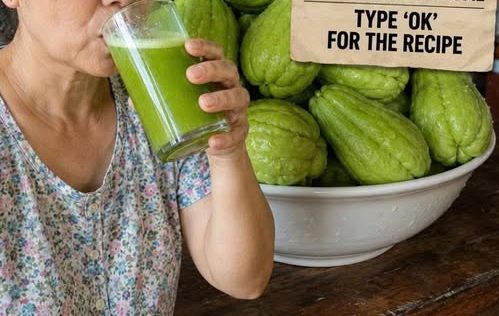
Chayote juice is one of those simple homemade drinks that looks humble, but feels fresh, light, and naturally comforting.
It is not fancy.
It is not expensive.
And it does not require a kitchen full of strange powders with names that sound like tiny science experiments.
Just chayote, water, lemon, and a few optional ingredients to make it taste better.
People often talk about chayote juice for knee pain, swelling, blood pressure, cholesterol, and circulation.
But let’s be honest from the beginning.
Chayote juice is not medicine.
It should not replace prescribed medication or medical advice.
Still, it can be a refreshing drink to include in a balanced wellness routine, especially when it helps replace sugary drinks or heavy processed beverages.
And honestly, any drink that makes you feel a little more responsible before breakfast already deserves a small round of applause.
Why Chayote Is Popular
Chayote is a green vegetable-fruit often used in soups, salads, stews, and homemade drinks.
It has a mild taste, which makes it easy to blend with lemon, cucumber, apple, ginger, or mint.
Chayote is also very light. One cup of raw chayote is low in calories and contains mostly water, plus fiber, folate, and vitamin C. (Verywell Fit)
That is one reason people like it in wellness-style recipes.
It feels fresh without being heavy.
It also does not have a strong flavor, so it plays nicely with other ingredients.
Basically, chayote is polite.
Unlike garlic, which enters every recipe like it owns the whole house.
Important Reminder
The image says “stop buying medicines,” but that is not safe advice.
High blood pressure, cholesterol problems, poor circulation, swollen legs, and knee pain can be serious.
Medication should never be stopped without speaking to a healthcare professional.
Mayo Clinic explains that lifestyle changes can help control blood pressure, but treatment plans may still include medication depending on the person’s health needs. (Mayo Clinic)
So this juice is best viewed as a supportive homemade drink.
Not a cure.
Not a replacement.
Just a simple natural beverage you can enjoy as part of healthier daily habits.
Full Chayote Juice Recipe
This recipe is light, fresh, and easy to make.
It works well in the morning or as an afternoon drink.
Ingredients
- 1 medium chayote
- 1 cup cold water
- Juice of ½ lemon
- ½ cucumber, optional
- 1 small green apple, optional
- A few mint leaves, optional
- Small piece of ginger, optional
- Ice cubes, optional
For a lower-sugar version, skip the apple.
For a fresher flavor, add cucumber and mint.
For a stronger wellness-style taste, add ginger.
Just don’t add too much ginger unless you enjoy your drink talking back.
How To Prepare It
Wash the chayote very well.
Cut it in half.
Remove the seed in the middle.
Chop the chayote into small pieces.
Add the chayote pieces to a blender.
Add the cold water.
Add lemon juice.
Add cucumber, mint, ginger, or apple if using.
Blend until smooth.
If the juice feels too thick, add a little more water.
Strain it if you want a smoother drink.
Keep it unstrained if you want more fiber.
Pour into a glass.
Add ice cubes if desired.
Drink fresh.
That’s it.
Simple.
Green.
Refreshing.
And thankfully, much cheaper than those dramatic wellness bottles online that promise to fix your whole life before lunch.
What Does Chayote Juice Taste Like?
Chayote has a very mild flavor.
It is fresh, slightly green, and not too sweet.
With lemon, it becomes brighter.
With cucumber, it becomes cooler.
With apple, it becomes softer and easier for beginners.
With ginger, it becomes warmer and more serious.
The taste is clean and light, which makes it easy to drink regularly.
It does not taste like dessert.
But it also does not taste like punishment.
That is the perfect middle ground for a healthy drink.
Can Chayote Juice Help With Swelling?
Swollen legs or feet should not be ignored.
Swelling happens when fluid builds up in body tissues, and it is common in the legs, ankles, and feet. (CNIB)
Sometimes swelling is mild and temporary.
Other times, it can be linked to circulation issues, heart problems, kidney problems, medication side effects, or other conditions.
Mayo Clinic advises getting medical care for swelling that comes with symptoms like chest pain, trouble breathing, shortness of breath, fainting, dizziness, or coughing blood. (Mayo Clinic)
So yes, enjoy a light homemade drink.
But do not use juice as the only answer for serious swelling.
Your feet may be trying to send a message stronger than “make a smoothie.”
Can It Help With Blood Pressure?
A chayote drink can be part of a heart-friendly routine when it replaces sugary drinks and supports better hydration.
But blood pressure is not controlled by one ingredient.
Mayo Clinic recommends lifestyle steps such as reducing sodium, eating a healthy diet, exercising regularly, limiting alcohol, managing stress, and maintaining a healthy weight to help control blood pressure. (Mayo Clinic)
That means chayote juice can be one small habit.
The bigger picture still matters.
Food.
Movement.
Sleep.
Stress.
Medical care.
One glass cannot do everything.
Even a very green glass.
Can It Help With Cholesterol?
Chayote juice is naturally light, but cholesterol management usually depends on the overall diet.
The American Heart Association recommends reducing saturated fat and trans fat, while focusing on colorful fruits and vegetables, beans, legumes, whole grains, fiber, nuts, and lean protein sources. (www.heart.org)
So this juice can fit nicely into a healthier eating pattern.
But it will not replace a balanced diet by itself.
Think of it as one little helper.
Not the entire health team.
Best Time To Drink It
Many people like drinking chayote juice in the morning.
It feels fresh and light before breakfast.
Others prefer it in the afternoon instead of soda or sweet juice.
There is no magic hour.
The best time is the time you can repeat consistently.
A simple routine you actually follow is better than a perfect routine you abandon after three days.
That rule applies to health, cleaning the house, and pretending you’ll organize your closet.
Helpful Tips
Use fresh chayote for the best taste.
Add lemon to brighten the flavor.
Add mint if you want it more refreshing.
Skip honey or sweeteners if you are watching blood sugar.
Drink it fresh whenever possible.
Start with a small glass first, especially if your stomach is sensitive.
And remember: natural drinks can still affect people differently.
Your body is allowed to have opinions.
Sometimes very dramatic ones.
Storage Tips
Chayote juice tastes best right after blending.
That is when it is freshest and brightest.
If you need to store it, keep it in a clean covered jar in the refrigerator.
Drink it within 24 hours.
Shake or stir before serving.
Natural separation is normal.
That is just the drink reminding you it came from real ingredients and not from a factory shelf.
Easy Variations
You can make this recipe in different ways.
Add celery for a greener taste.
Add pineapple for sweetness.
Add parsley for a more herbal flavor.
Add chia seeds for texture.
Add cucumber for extra freshness.
Add ginger for warmth.
Every version gives the drink a slightly different personality.
Some will become favorites.
Some will become “we do not speak of that experiment again.”
That is normal kitchen life.
Final Thoughts
Chayote juice is light, fresh, affordable, and easy to make at home.
It will not replace medicine.
It will not magically cure high blood pressure, cholesterol, swelling, knee pain, or poor circulation.
But it can be part of a better daily routine.
It can help you drink something fresher.
It can help you reduce sugary beverages.
It can add more simple plant-based ingredients to your day.
And sometimes that is exactly how healthier habits begin.
Not with miracles.
Just one glass.
One fresh recipe.
One small choice that says, “I’m taking care of myself today.”