Dementia can begin quietly.
Not always with dramatic memory loss.
Sometimes it starts with small changes that family members notice before the person does.
A missed appointment.
A repeated question.
A strange mistake with money.
Getting confused in a familiar place.
Or suddenly losing interest in things they used to enjoy.
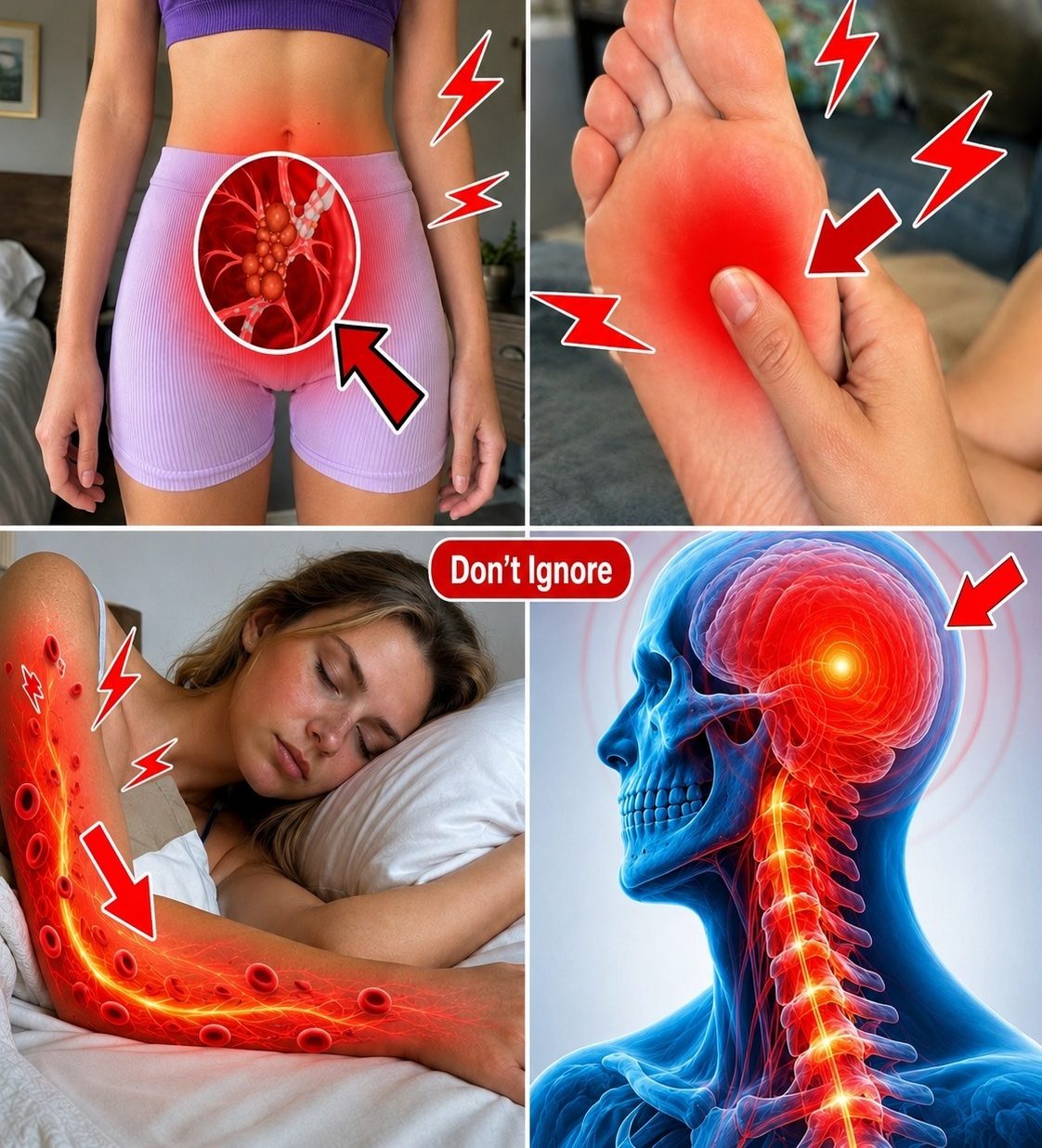
The image says “beginning of dementia,” but some of the body symptoms shown, like foot pain, pelvic pain, or arm pain, are not typical dementia signs by themselves.
Dementia mainly affects memory, thinking, communication, judgment, mood, and daily function. The CDC lists common warning signs such as memory loss that disrupts daily life, difficulty solving problems, trouble completing familiar tasks, confusion with time or place, word problems, misplacing things, poor judgment, withdrawal, and mood or personality changes. (CDC)
Important Reminder
Not every forgetful moment means dementia.
Forgetting a name and remembering it later can happen with normal aging.
But forgetting important information repeatedly, getting lost, losing the ability to manage familiar tasks, or having personality changes may need medical evaluation.
The NHS explains that early dementia symptoms can include memory loss, difficulty concentrating, trouble with familiar tasks, struggling to follow conversation, confusion about time or place, and mood changes. (nhs.uk)
So the goal is not panic.
The goal is noticing patterns early.
1. Memory Loss That Disrupts Daily Life
The most famous early sign is memory loss.
But not the small kind like walking into a room and forgetting why.
That happens to almost everybody, usually at the most inconvenient moment.
A more concerning sign is forgetting recent conversations, asking the same question many times, missing important appointments, or needing more reminders than usual.
The National Institute on Aging says early Alzheimer’s signs can include memory loss, losing things often, forgetting appointments, and problems communicating. (National Institute on Aging)
2. Trouble Planning or Solving Problems
Another early sign is difficulty with planning.
Someone may struggle to follow a recipe they have cooked for years.
They may make mistakes while paying bills.
They may have trouble managing monthly expenses.
They may also lose track of steps in familiar routines.
This is different from making one small mistake.
It becomes concerning when the problem repeats and interferes with daily life.
3. Difficulty Completing Familiar Tasks
Dementia can make ordinary tasks feel confusing.
A person may forget how to use a familiar appliance.
They may struggle to drive to a place they know well.
They may forget the rules of a favorite game.
They may start needing help with things they always handled alone.
Mayo Clinic lists trouble performing complex tasks, planning, organizing, reasoning, and completing tasks as possible dementia symptoms. (Mayo Clinic)
4. Confusion With Time or Place
A person may forget what day it is.
They may lose track of seasons.
They may become confused about where they are or how they got there.
Getting lost in familiar places can be especially concerning.
This is not the same as briefly forgetting the date.
It is more serious when the person cannot orient themselves or becomes frightened because the surroundings no longer make sense.
5. Trouble Finding Words
Early dementia can affect language.
Someone may stop in the middle of a sentence and not know how to continue.
They may repeat themselves.
They may call objects by the wrong name.
They may struggle to follow a conversation.
Dementia can cause communication difficulties because language and understanding are affected as nerve cells fail. (PMC)
And yes, everyone forgets words sometimes.
But when it happens often and interrupts normal conversation, it deserves attention.
6. Misplacing Things in Strange Places
Everyone loses keys.
That is practically a human tradition.
But dementia-related misplacing is different.
Someone may put keys in the fridge.
Place a wallet in the laundry basket.
Put glasses in a kitchen cabinet.
Then they may be unable to retrace their steps.
Sometimes they may accuse others of stealing because they cannot remember where the item went.
That can be frustrating for everyone involved.
Patience matters.
The person is not doing it on purpose.
7. Poor Judgment
Dementia can affect decision-making.
A person may give money to scams.
Wear inappropriate clothing for the weather.
Stop bathing regularly.
Ignore important safety rules.
Or make risky financial choices that seem very unlike them.
This type of change can be painful for family members to watch.
It may feel like the person is “not listening,” but the brain may be struggling with judgment and reasoning.
8. Withdrawal From Social Activities
A person in the early stages may stop attending gatherings, hobbies, work activities, or conversations.
Sometimes this happens because they feel embarrassed.
They may know something is changing but not know how to explain it.
They may avoid people to hide mistakes.
The CDC includes withdrawal from work or social activities as one of the warning signs of Alzheimer’s disease and related dementia. (CDC)
This can look like laziness or moodiness from the outside.
But inside, the person may be scared.
9. Mood or Personality Changes
Dementia can change mood and behavior.
A person may become anxious, suspicious, depressed, confused, fearful, or easily upset.
They may become more irritable in unfamiliar places.
They may also lose motivation.
Mayo Clinic lists confusion, personality changes, depression, anxiety, agitation, inappropriate behavior, and other psychological changes as possible dementia symptoms. (Mayo Clinic)
This does not mean every mood change is dementia.
But sudden personality changes, especially with memory or thinking problems, should not be ignored.
10. Trouble With Visual and Spatial Skills
Some people develop trouble judging distance, reading, recognizing contrast, or understanding what they see.
They may have difficulty parking a car.
They may bump into things.
They may misjudge stairs.
They may get lost while driving.
Mayo Clinic includes trouble with visual and spatial abilities, such as getting lost while driving, among dementia symptoms. (Mayo Clinic)
This is why some early signs are mistaken for “eye problems.”
Sometimes it is not the eyes.
Sometimes the brain is having trouble interpreting the information.
Symptoms That Are Not Typical Dementia Signs
Foot pain alone is not usually an early dementia sign.
Pelvic pain alone is not usually an early dementia sign.
Arm pain alone is not usually an early dementia sign.
These symptoms may come from many other causes and should be evaluated based on the situation.
But sudden numbness, weakness on one side, confusion, trouble speaking, vision trouble, dizziness, loss of balance, or severe headache can be stroke warning signs. The CDC says to call emergency services right away if these symptoms appear suddenly. (CDC)
That is important.
Dementia usually develops gradually.
Stroke symptoms often appear suddenly.
Do not mix them up.
Some Dementia-Like Symptoms Can Be Treatable
Memory and thinking problems do not always mean permanent dementia.
Some conditions can mimic dementia symptoms.
These may include medication side effects, depression, sleep problems, vitamin deficiencies, infections, thyroid problems, or other medical issues.
Mayo Clinic Health System notes that some dementia-like symptoms can be caused by treatable medical conditions. (Mayo Clinic Health System)
That is one reason early evaluation matters.
Sometimes the answer is not what people fear.
When to See a Doctor
Speak with a healthcare professional if memory problems interfere with daily life.
Also get checked if there are changes in judgment, language, mood, behavior, driving ability, money management, or getting lost.
It helps to write down examples before the appointment.
Dates.
Specific incidents.
Changes family members noticed.
Medication list.
Sleep changes.
Mood changes.
Small details can help the doctor understand the pattern.
Final Thoughts
Dementia does not usually begin with one dramatic moment.
It often begins with repeated small changes.
Memory loss.
Confusion.
Word problems.
Poor judgment.
Getting lost.
Personality shifts.
Trouble managing familiar tasks.
The key is pattern.
One forgetful day is human.
Repeated changes that affect daily life deserve attention.
And honestly, early help can make a big difference.
Not because it makes everything magically easy.
But because families can plan, treat possible causes, improve safety, and get support before the situation becomes overwhelming.
The brain deserves care early.
Not only when the problem becomes impossible to ignore.