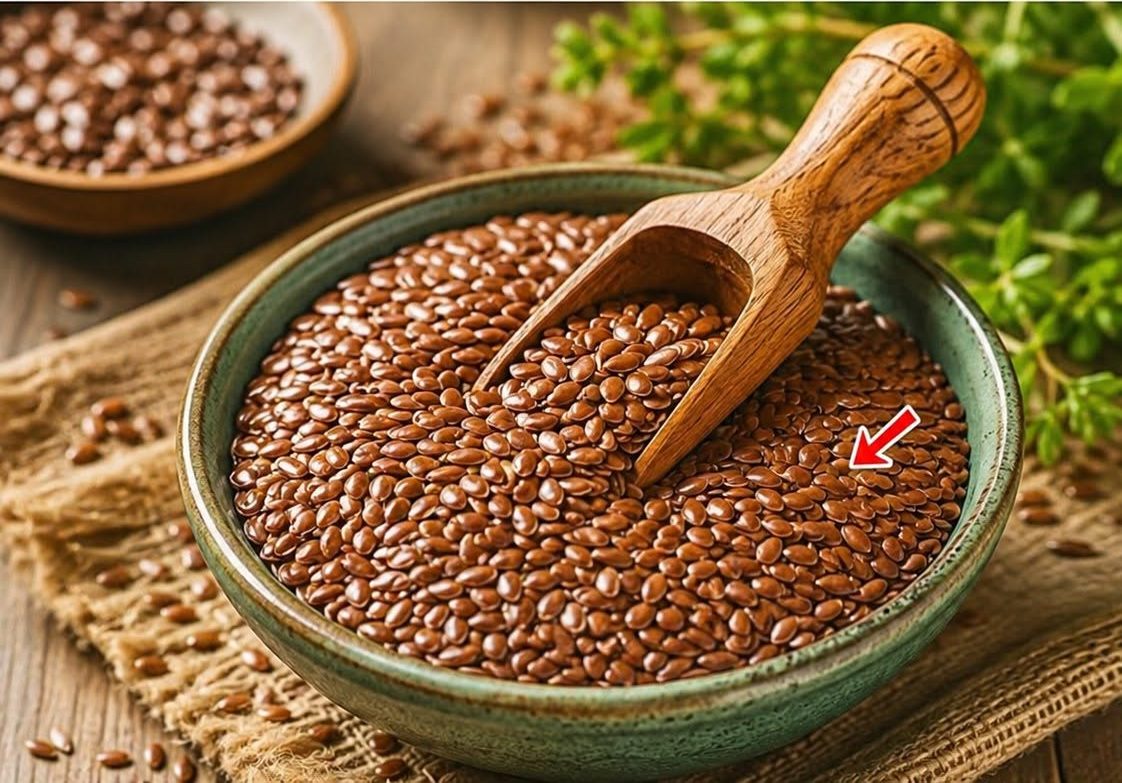
If you’ve spent any time on social media lately, you’ve probably seen posts calling flax seeds a “miracle seed” capable of curing diabetes, melting away fat, eliminating high blood pressure, and solving dozens of health problems overnight.
While flax seeds are certainly nutritious and deserve a place in many healthy diets, the truth is more realistic than these viral claims suggest. No single food can cure diabetes, instantly eliminate excess weight, or replace proper medical treatment.
However, flax seeds do offer several evidence-based health benefits that make them one of the most impressive foods you can add to your daily routine.
Let’s take a closer look at what flax seeds really do, how to use them, and why they have become so popular among health-conscious people.
What Are Flax Seeds?
Flax seeds are small brown or golden seeds that come from the flax plant.
Despite their tiny size, they contain an impressive combination of nutrients including:
- Fiber
- Plant protein
- Omega-3 fatty acids
- Antioxidants
- Vitamins
- Minerals
For centuries, people have used flax seeds in traditional diets, and modern research continues to explore their potential health benefits.
Why Flax Seeds Are So Popular
One reason flax seeds have gained attention is their unique nutritional profile.
Few plant foods provide such a powerful combination of fiber and healthy fats in such a small serving.
A single tablespoon can add valuable nutrients to smoothies, oatmeal, yogurt, salads, and baked goods.
Unlike many trendy health foods, flax seeds are also affordable and widely available.
Rich in Fiber
One of the biggest advantages of flax seeds is their high fiber content.
Fiber plays several important roles in the body.
It may help:
- Support digestive health
- Promote regular bowel movements
- Increase feelings of fullness
- Support healthy cholesterol levels
- Help maintain balanced blood sugar levels
Many adults consume far less fiber than recommended, making flax seeds an easy way to increase daily intake.
A Plant Source of Omega-3 Fatty Acids
Flax seeds are one of the richest plant sources of alpha-linolenic acid (ALA), a type of omega-3 fatty acid.
Omega-3 fats are important because they support:
- Heart health
- Brain function
- Healthy inflammatory responses
- Overall wellness
While fish remains the richest source of certain omega-3 fats, flax seeds provide a valuable option for those who prefer plant-based foods.
Can Flax Seeds Help With Weight Management?
Many social media posts claim that flax seeds cause rapid weight loss.
The reality is more balanced.
Flax seeds are not a magic fat-burning food.
However, their combination of fiber and healthy fats may help increase satiety.
When people feel full longer, they may be less likely to overeat throughout the day.
This makes flax seeds a useful addition to a balanced weight-management plan that includes:
- Nutritious eating
- Physical activity
- Proper hydration
- Adequate sleep
Flax Seeds and Blood Sugar
Some research suggests that flax seeds may support healthy blood sugar management when included as part of a balanced diet.
The fiber content can help slow digestion and may reduce rapid spikes in blood sugar after meals.
However, flax seeds do not cure diabetes.
People living with diabetes should continue following their healthcare provider’s recommendations regarding medication, monitoring, and nutrition.
Flax Seeds and Heart Health
Heart health is one area where flax seeds have received significant scientific attention.
Their combination of fiber, omega-3 fats, and plant compounds may support:
- Healthy cholesterol levels
- Healthy blood vessel function
- Overall cardiovascular wellness
Again, flax seeds are not a replacement for medical treatment, but they can be part of a heart-friendly eating pattern.
Powerful Plant Compounds
Flax seeds contain compounds known as lignans.
Lignans act as antioxidants that help protect cells from oxidative stress.
In fact, flax seeds contain far more lignans than many other plant foods.
These compounds are one reason nutrition experts often include flax seeds among nutrient-dense foods.
Ground Flax vs. Whole Flax
Many people are surprised to learn that ground flax seeds are often preferred over whole flax seeds.
Why?
Whole flax seeds may pass through the digestive system without being fully broken down.
Grinding them helps your body access more of the nutrients inside.
Many grocery stores sell:
- Whole flax seeds
- Ground flax meal
- Flax seed powder
Ground flax is generally the easiest option for everyday use.
Easy Ways to Add Flax Seeds to Your Diet
One of the best things about flax seeds is their versatility.
You can add them to:
Smoothies
Blend a tablespoon into your morning smoothie for extra fiber and nutrition.
Oatmeal
Stir ground flax into warm oatmeal for added texture and nutrients.
Yogurt
Mix a spoonful into yogurt along with fresh fruit.
Baking
Add flax meal to muffins, pancakes, breads, and cookies.
Salads
Sprinkle ground flax over salads for a nutritional boost.
Simple Flax Seed Drink Recipe
Many people enjoy a simple flax seed beverage.
Ingredients
- 1 tablespoon ground flax seeds
- 1 cup warm water
- Optional lemon juice
- Optional honey
Directions
- Add flax seeds to warm water.
- Stir thoroughly.
- Let sit for 10 minutes.
- Add lemon or honey if desired.
- Drink immediately.
The mixture develops a slightly thick texture due to the soluble fiber.
Things to Keep in Mind
While flax seeds are healthy for many people, moderation is important.
Because they are high in fiber, consuming large amounts too quickly may cause:
- Bloating
- Gas
- Digestive discomfort
It’s best to increase intake gradually and drink plenty of water.
People taking medications or managing specific health conditions should discuss major dietary changes with their healthcare provider.
Final Thoughts
Flax seeds are not a miracle cure, despite what many social media posts claim. They won’t cure diabetes overnight, instantly melt away fat, or replace proper medical care.
What they can do is provide valuable fiber, healthy fats, antioxidants, and nutrients that support overall wellness.
When combined with a balanced diet, regular exercise, quality sleep, and healthy lifestyle habits, flax seeds can be a simple and affordable way to improve your daily nutrition.
Sometimes the most powerful health choices are not miracle cures at all—they are small, consistent habits practiced day after day. Flax seeds are a perfect example of how tiny changes can contribute to long-term wellness.