Vaginal discharge is one of those topics many people quietly worry about but feel awkward asking about.
And honestly, the body does not always send cute little instruction notes.
Sometimes it just changes color, texture, or smell and leaves you standing there thinking, “Excuse me… what does this mean?”
The good news is that vaginal discharge is usually normal.
It is part of the body’s natural cleaning and protection system.
The vagina naturally produces discharge to help remove old cells, keep tissues moist, and maintain a healthy balance.
But some changes can be a sign of infection or irritation.
So the important thing is knowing what is normal for you and when something needs medical attention.
What Is Normal Vaginal Discharge?
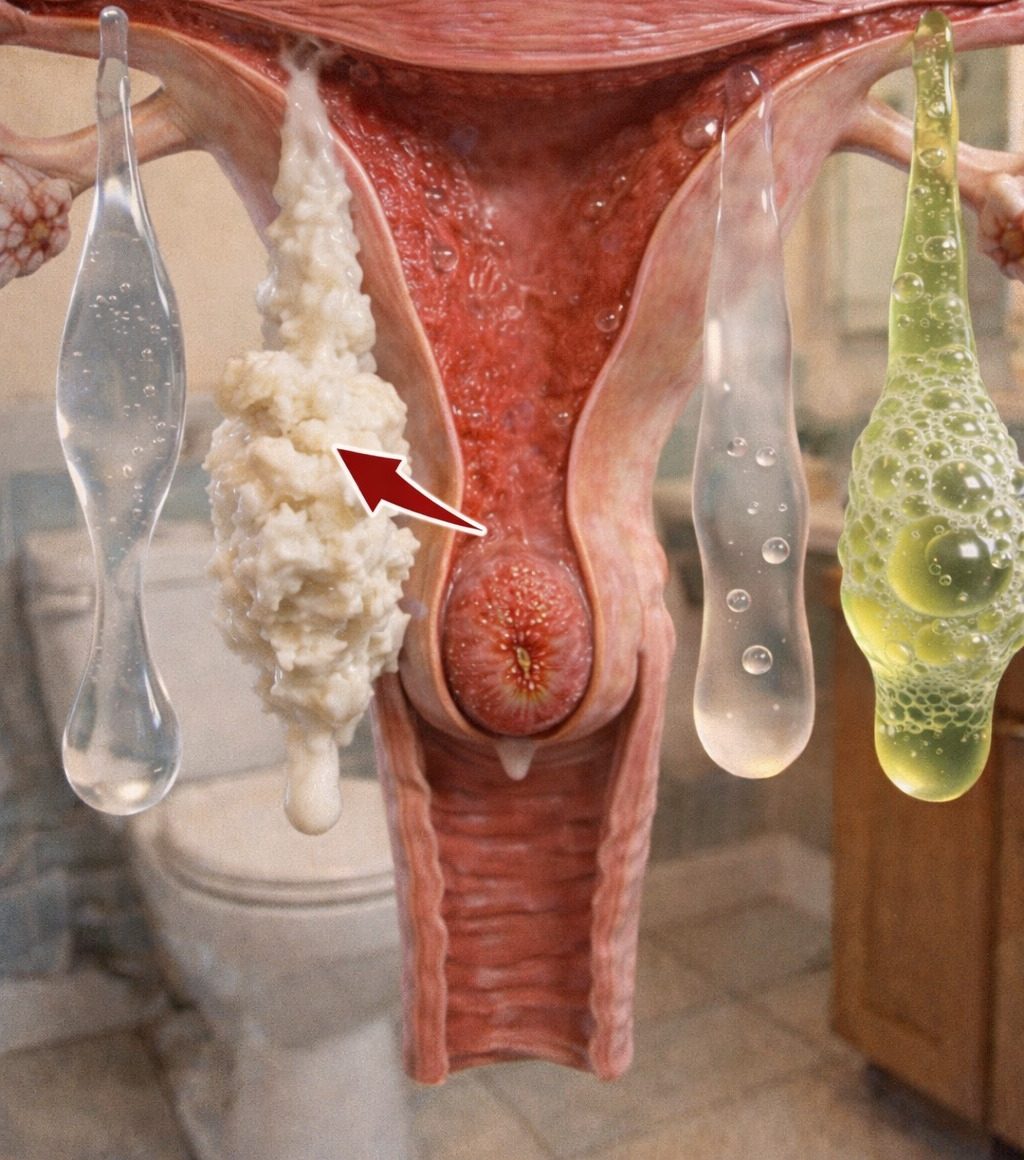
Normal discharge can be clear, white, or off-white.
It can be thin, watery, sticky, stretchy, creamy, or slightly thick depending on the menstrual cycle.
Cleveland Clinic explains that healthy vaginal discharge is usually clear, milky white, or off-white, while darker yellow, brown, green, or gray discharge may suggest a problem. (Cleveland Clinic)
The amount can also change.
Some days there may be very little.
Other days there may be more.
This can happen around ovulation, before a period, during pregnancy, with hormonal changes, or after exercise.
Basically, discharge has moods.
Very dramatic, but usually normal.
When Discharge Changes
A change in discharge does not always mean something serious.
But if the discharge suddenly changes in smell, color, amount, or texture, it may be a sign that the vaginal balance has changed.
The NHS says that if vaginal discharge changes in smell, colour, or texture, it might be a sign of infection, and you should not self-diagnose if you are worried. (nhs.uk)
That last part matters.
Trying to guess from a photo online can create unnecessary panic.
And sometimes the internet will convince you that every small symptom means disaster by lunchtime.
It usually does not.
Clear Discharge
Clear discharge is usually normal.
It may appear watery or stretchy.
Stretchy, egg-white-like discharge often happens around ovulation.
That is when the body is preparing for possible pregnancy, so cervical mucus may become more slippery and elastic.
Clear watery discharge can also happen after exercise, during sexual arousal, or at different points in the menstrual cycle.
If it has no strong smell and there is no itching, burning, pelvic pain, or irritation, it is usually not concerning.
White or Milky Discharge
White or milky discharge can also be normal.
It often appears before or after a period.
It may be creamy, smooth, or slightly thick.
If there is no bad smell, itching, burning, pain, or swelling, white discharge is usually part of normal vaginal health.
But if the discharge becomes very thick, clumpy, and looks like cottage cheese, especially with itching or irritation, it may be a yeast infection.
NHS Inform says thick white discharge like cottage cheese, green or yellow frothy discharge, foul smell, or discharge with pain or itching should be checked by a GP or sexual health service. (NHS inform)
Thick White Clumpy Discharge
Thick, white, clumpy discharge is commonly associated with yeast infections.
It may come with itching, redness, burning, soreness, or discomfort during urination.
Yeast infections are common and usually treatable.
But it is still better to confirm the cause, especially if it is your first time having these symptoms or if symptoms keep coming back.
Not every itch is yeast.
The body likes to keep things complicated.
Yellow Discharge
Pale yellow discharge can sometimes happen when discharge dries on underwear.
But bright yellow, dark yellow, or yellow discharge with odor, itching, irritation, or pelvic pain may suggest infection.
Yellow discharge can be linked with sexually transmitted infections or other vaginal infections.
It should not be ignored if it is new, strong-smelling, or uncomfortable.
If there is pain, burning during urination, bleeding between periods, or possible exposure to an STI, it is best to seek medical care.
Green Discharge
Green discharge is usually not normal.
It may suggest infection, especially if it is thick, frothy, or has a strong unpleasant smell.
Cleveland Clinic notes that discharge that is chunky, foamy, or happens with itching and color changes may be a sign of infection. (Cleveland Clinic)
Green discharge can sometimes be associated with sexually transmitted infections, so it is important to get tested rather than guessing.
This is one of those moments where “let’s wait and see for months” is not the best plan.
Gray Discharge
Gray or grayish-white discharge can sometimes be linked with bacterial vaginosis, also called BV.
BV happens when the normal balance of vaginal bacteria changes.
It is common and treatable.
The NHS says BV can cause unusual discharge with a strong fishy smell and may become grayish-white, thin, and watery. (nhs.uk)
Mayo Clinic also lists thin gray, white, or green discharge and a fishy odor as possible symptoms of bacterial vaginosis. (Mayo Clinic)
If you notice gray discharge with a fishy smell, it is better to speak with a healthcare professional.
BV usually needs proper treatment.
And no, spraying perfume is not treatment.
Please do not let scented products near the situation.
Pink Discharge
Pink discharge usually means a small amount of blood is mixed with normal discharge.
This can happen before a period, after a period, around ovulation, or after sex.
Sometimes it can happen with hormonal birth control.
If it is light and happens around your usual cycle, it may not be serious.
But pink discharge should be checked if it happens often, comes with pain, occurs after menopause, or appears after sex repeatedly.
The body may be giving a small signal that something needs attention.
Brown Discharge
Brown discharge usually means older blood is leaving the body.
This can happen at the beginning or end of a period.
It may also happen after spotting.
Brown discharge is often harmless when it fits your normal cycle.
But it should be checked if it is new, frequent, foul-smelling, or comes with pelvic pain, bleeding between periods, or bleeding after menopause.
After menopause, any vaginal bleeding should be evaluated by a healthcare professional.
Red Discharge or Bleeding
Red discharge usually means fresh blood.
During your period, that is expected.
Outside your period, it depends.
Light spotting can happen for hormonal reasons, ovulation, birth control changes, pregnancy-related causes, infection, or cervical irritation.
But heavy bleeding, severe pain, dizziness, pregnancy-related bleeding, or bleeding after menopause should be checked urgently.
Never ignore bleeding that feels unusual for your body.
Watery Discharge
Watery discharge can be normal.
Many people notice it during different times in the cycle.
It can also increase with exercise or arousal.
But if watery discharge is constant, has a bad odor, is gray, yellow, or green, or comes with itching, burning, or pain, it should be checked.
In pregnancy, a sudden gush or steady leaking fluid should be treated as urgent because it may not be normal discharge.
Bad Smell
A mild natural scent is normal.
The vagina is not supposed to smell like flowers, candy, or “spring waterfall breeze.”
Honestly, those product names have caused enough confusion already.
A strong fishy, rotten, or very unpleasant smell can suggest infection.
This is especially true if it comes with gray, yellow, green, foamy, or unusual discharge.
Mayo Clinic says vaginal discharge that smells bad or looks strange can be a sign something is wrong. (Mayo Clinic)
Itching, Burning, or Pain
Discharge plus itching, burning, soreness, swelling, pelvic pain, or pain while urinating should not be ignored.
Mayo Clinic describes vaginitis as inflammation of the vagina that can cause discharge, itching, and pain, often related to bacterial balance changes, infection, reduced estrogen, or some skin disorders. (Mayo Clinic)
This is when it is better to get proper testing.
Different infections can look similar, but treatments are different.
Using the wrong treatment can delay healing and make everything more annoying.
And nobody needs extra annoyance in that area.
What You Should Avoid
Avoid douching.
Avoid scented vaginal sprays.
Avoid perfumed soaps inside the vaginal area.
Avoid putting homemade remedies, oils, lemon, garlic, herbs, or random internet mixtures inside the vagina.
The vagina is self-cleaning.
It does not need a kitchen recipe.
For gentle hygiene, washing the outside area with water and mild unscented soap is usually enough.
The inside does its own job.
Very professional.
Very independent.
When To See A Doctor
See a doctor, gynecologist, or sexual health clinic if discharge is green, gray, very yellow, frothy, clumpy with intense itching, foul-smelling, or mixed with unusual bleeding.
Also get checked if you have pelvic pain, fever, burning urination, sores, swelling, pain during sex, possible STI exposure, pregnancy, or symptoms that keep coming back.
MedlinePlus advises contacting a provider right away if discharge happens with fever, pelvic or belly pain, or possible STI exposure. (MedlinePlus)
Final Thoughts
Vaginal discharge is normal, healthy, and part of how the body protects itself.
Clear, white, or off-white discharge is usually normal, especially when there is no strong smell, itching, burning, or pain.
But green, gray, dark yellow, foul-smelling, frothy, clumpy, or painful discharge deserves attention.
The best rule is simple:
Know what is normal for your body.
Notice changes.
Do not panic.
And do not self-diagnose when symptoms feel unusual.
Your body is not trying to embarrass you.
It is trying to communicate.
And sometimes listening early saves a lot of discomfort later.