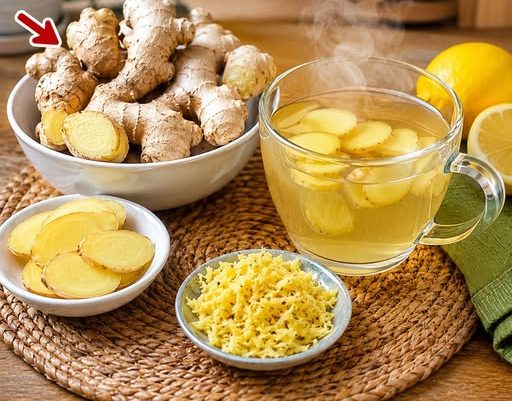
Ginger has earned a reputation as one of the most popular natural ingredients in the world. From soothing a cold winter evening to adding a spicy kick to recipes, ginger has been enjoyed for centuries across many cultures. Social media often portrays it as a miracle ingredient capable of solving nearly every health problem. However, while ginger can be a healthy addition to many diets, it is not suitable for everyone in every situation.
You may have seen posts claiming that there are several conditions where ginger should be avoided entirely. The truth is more nuanced. Most healthy people can enjoy ginger safely in moderate amounts, but certain individuals may need to be cautious or discuss its use with a healthcare professional.
Let’s explore what science says about ginger, its potential benefits, and the situations where extra care may be needed.
What Makes Ginger So Popular?
Ginger comes from the root of the plant Zingiber officinale. It has been used for thousands of years in cooking and traditional wellness practices.
The root contains natural compounds called gingerols and shogaols, which contribute to its distinctive taste and aroma.
Many people enjoy ginger because it may support:
- Digestive comfort
- Relief from occasional nausea
- Healthy circulation
- General wellness
- A warming sensation during cold weather
While these properties make ginger appealing, it is important to remember that natural does not always mean risk-free.
Condition 1: Blood-Thinning Medication Users
One of the most common situations where caution is advised involves people taking blood-thinning medications.
Ginger may have mild blood-thinning properties.
Individuals taking medications such as:
- Warfarin
- Apixaban
- Rivaroxaban
- Clopidogrel
- Certain aspirin regimens
should discuss significant ginger consumption with their healthcare provider.
This does not necessarily mean ginger must be avoided completely, but moderation is important.
Drinking several cups of strong ginger tea every day or consuming concentrated ginger supplements may not be appropriate for everyone taking these medications.
Condition 2: Gallbladder Problems
Ginger may stimulate bile production.
For most people, this is not a problem and may even aid digestion.
However, individuals with:
- Gallstones
- Gallbladder disease
- Certain bile duct conditions
may want to consult a healthcare professional before regularly consuming large amounts of ginger.
Every person’s situation is different, and professional guidance can help determine what is appropriate.
Condition 3: Low Blood Pressure
Some studies suggest that ginger may contribute to slight reductions in blood pressure in certain individuals.
For people with high blood pressure, this effect may not be concerning.
However, people who already have naturally low blood pressure may occasionally experience symptoms such as:
- Lightheadedness
- Dizziness
- Weakness
Especially when consuming large amounts of ginger or combining it with medications that lower blood pressure.
Again, moderate culinary use is generally not a concern for most individuals.
Condition 4: Diabetes Medication Users
Ginger has been studied for its potential role in supporting healthy blood sugar management.
While this may sound positive, people who take medications for diabetes should be aware that combining several blood-sugar-lowering strategies may occasionally increase the risk of blood sugar dropping too low.
Those taking:
- Insulin
- Sulfonylureas
- Other glucose-lowering medications
should monitor their blood sugar carefully and discuss major dietary changes with their healthcare provider.
Common Myths About Ginger
Myth: Ginger Cures Every Disease
No single food can cure every illness.
While ginger contains beneficial compounds, it should not replace proper medical care.
Myth: More Ginger Is Always Better
Many people assume that if a little is good, a lot must be even better.
In reality, excessive amounts may cause:
- Heartburn
- Stomach irritation
- Digestive discomfort
- Mild diarrhea
Moderation is usually the best approach.
Myth: Ginger Can Replace Medication
Ginger can be part of a healthy lifestyle, but it should not replace prescribed treatments without medical supervision.
Potential Benefits of Ginger Tea
When consumed responsibly, ginger tea can be a pleasant addition to your daily routine.
Many people enjoy it for:
Digestive Support
Ginger is perhaps best known for helping with occasional digestive discomfort and nausea.
Warming Comfort
A warm cup of ginger tea can be especially enjoyable during cooler months.
Natural Flavor
Ginger provides strong flavor without requiring large amounts of sugar.
Antioxidant Compounds
The natural compounds found in ginger contribute to its popularity as part of a balanced diet.
Simple Ginger Tea Recipe
If you enjoy ginger tea, here is an easy recipe.
Ingredients
- 1-inch piece fresh ginger root
- 2 cups water
- Optional lemon slice
- Optional teaspoon of honey
Directions
- Wash and slice the ginger.
- Bring water to a boil.
- Add the ginger slices.
- Reduce heat and simmer for 10 minutes.
- Strain into a mug.
- Add lemon or honey if desired.
- Serve warm.
The result is a fragrant beverage with a naturally spicy flavor.
Tips for Enjoying Ginger Safely
Start Small
If you are new to ginger, begin with small amounts and see how your body responds.
Watch for Digestive Sensitivity
Some people are more sensitive to spicy foods and herbs than others.
Discuss Supplements With Your Doctor
Ginger supplements are often much more concentrated than food or tea.
Professional guidance is especially important if you take medications.
Focus on Overall Health
No single ingredient determines your health.
Balanced nutrition, exercise, quality sleep, hydration, and stress management all play important roles.
Final Thoughts
Ginger is a flavorful and widely enjoyed ingredient that can fit into a healthy lifestyle for many people. While social media often exaggerates both its benefits and its risks, the reality is much more balanced.
Most healthy adults can safely enjoy moderate amounts of ginger tea. However, people taking blood thinners, managing diabetes with medication, dealing with gallbladder conditions, or experiencing low blood pressure may benefit from extra caution and professional advice.
Instead of viewing ginger as either a miracle cure or a dangerous ingredient, it is best understood as a useful spice that can complement a balanced diet. When enjoyed responsibly, a warm cup of ginger tea can be both comforting and delicious while supporting your overall wellness journey.