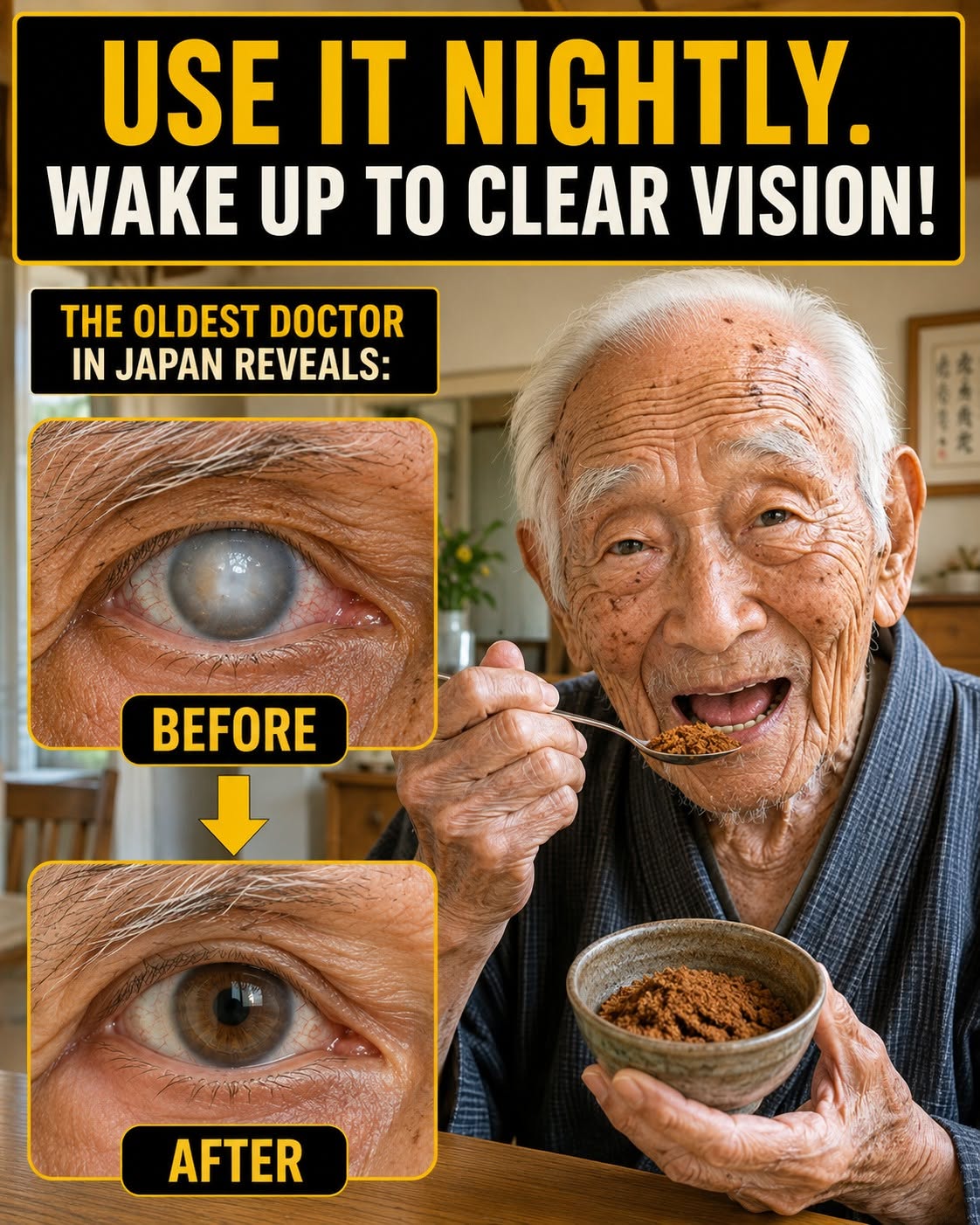
The internet is full of dramatic claims about miracle powders, secret recipes, and overnight vision restoration. You may have seen posts promising that using a certain ingredient before bed will make cataracts disappear, restore perfect eyesight, or dramatically improve vision by morning. While these claims can be tempting, the truth is much more realistic.
Healthy vision is influenced by many factors, including age, genetics, nutrition, lifestyle, and regular eye care. No single food or spice can instantly reverse cataracts or restore vision overnight. However, some nutrients can support eye health as part of a balanced lifestyle.
Let’s explore what really helps your eyes and how you can build habits that support long-term vision health.
Understanding Age-Related Vision Changes
As we get older, our eyes naturally undergo changes.
Many adults notice:
- Difficulty reading small print
- Increased sensitivity to glare
- Reduced night vision
- Dry eyes
- Slower adjustment between light and dark environments
These changes are common and do not necessarily mean something is seriously wrong.
However, conditions such as cataracts, glaucoma, age-related macular degeneration, and diabetic eye disease become more common with age and require professional medical care.
Can Food Improve Eye Health?
The answer is yes—up to a point.
A nutritious diet can help support healthy eyes and may reduce the risk of certain eye problems over time.
What food cannot do is instantly reverse advanced eye disease.
Instead, good nutrition works gradually by helping your body maintain healthy tissues and protect cells from damage.
Important Nutrients for Healthy Eyes
Vitamin A
Vitamin A is one of the most important nutrients for vision.
It helps maintain the surface of the eye and supports night vision.
Foods rich in vitamin A include:
- Sweet potatoes
- Carrots
- Pumpkin
- Spinach
- Kale
- Eggs
Lutein and Zeaxanthin
These powerful plant compounds accumulate in the retina and help protect the eyes from harmful light exposure.
Good sources include:
- Spinach
- Kale
- Collard greens
- Broccoli
- Peas
Vitamin C
Vitamin C acts as an antioxidant and may help protect eye tissues from oxidative stress.
Sources include:
- Oranges
- Lemons
- Strawberries
- Bell peppers
- Kiwi
Vitamin E
Vitamin E helps protect cells throughout the body, including those in the eyes.
Foods rich in vitamin E include:
- Almonds
- Sunflower seeds
- Avocados
- Peanuts
Omega-3 Fatty Acids
Omega-3 fats support retinal health and may help with dry eyes.
Good sources include:
- Salmon
- Sardines
- Mackerel
- Walnuts
- Chia seeds
The Truth About Cataracts
Many social media posts show dramatic before-and-after images claiming that a simple home remedy removed cataracts.
Unfortunately, this is not how cataracts work.
A cataract occurs when the natural lens inside the eye becomes cloudy.
Currently, the only proven treatment for significant cataracts is surgery performed by an eye specialist.
No tea, spice, herb, powder, or home remedy has been scientifically proven to dissolve cataracts or restore a cloudy lens to its original state.
That does not mean healthy foods are useless.
A nutritious diet may help support overall eye health, but it cannot replace medical treatment when needed.
A Healthy Nighttime Routine for Your Eyes
Instead of searching for miracle cures, focus on habits that genuinely support eye wellness.
Limit Screen Exposure Before Bed
Excessive screen use can contribute to eye strain and discomfort.
Try reducing screen time during the hour before sleep.
Stay Hydrated
Proper hydration helps maintain tear production and eye comfort.
Get Quality Sleep
Your eyes recover while you sleep.
Most adults benefit from seven to nine hours of quality rest each night.
Eat Nutrient-Rich Foods
A balanced dinner that includes vegetables, healthy fats, and lean protein can provide important nutrients for eye health.
Manage Blood Sugar
High blood sugar can damage blood vessels throughout the body, including those in the eyes.
Maintaining healthy blood sugar levels supports long-term vision.
A Simple Eye-Friendly Evening Drink
Many people enjoy relaxing herbal beverages before bedtime.
One option is a warm cinnamon and turmeric tea.
Ingredients
- 1 cup hot water
- ½ teaspoon turmeric
- ¼ teaspoon cinnamon
- Optional honey
- Optional lemon slice
Directions
- Heat the water.
- Stir in turmeric and cinnamon.
- Let steep for several minutes.
- Add honey or lemon if desired.
- Enjoy warm.
While this drink is not a cure for eye disease, it can be part of a comforting bedtime routine.
Foods That Support Long-Term Vision
Consider regularly including these foods in your meals:
Leafy Greens
Spinach, kale, and Swiss chard provide lutein and zeaxanthin.
Colorful Vegetables
Carrots, sweet potatoes, peppers, and squash contain valuable antioxidants.
Fatty Fish
Salmon and sardines provide omega-3 fatty acids.
Nuts and Seeds
Almonds, walnuts, sunflower seeds, and chia seeds contain beneficial nutrients.
Fruits
Berries, oranges, and kiwi contribute vitamin C and antioxidants.
When to See an Eye Doctor
Some symptoms should never be ignored.
Seek professional evaluation if you experience:
- Sudden vision loss
- Flashes of light
- New floaters
- Eye pain
- Persistent redness
- Severe blurriness
- Double vision
Early detection often leads to better outcomes.
Final Thoughts
Healthy vision is built through consistent daily habits, not overnight miracles. While social media posts often promise dramatic transformations using secret powders, herbs, or bedtime remedies, real eye health depends on proper nutrition, regular eye exams, quality sleep, hydration, and managing overall health conditions.
A nutrient-rich diet can certainly support your eyes, but no single ingredient can instantly reverse cataracts or restore perfect vision while you sleep.
The best strategy is simple: nourish your body, protect your eyes, stay active, and make regular eye care part of your wellness routine. Small habits practiced consistently often have a much greater impact than any viral miracle cure promising results by morning.