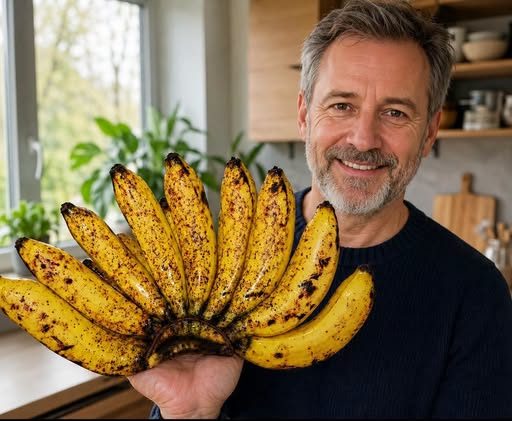
A banana before bed is a simple snack that has become popular among people looking for an easy evening food. Bananas are naturally sweet, convenient, and provide carbohydrates, fiber, potassium, vitamin B6, and other nutrients.
But what actually happens when you eat one at night?
For most healthy adults, eating a banana before bed is simply another way of adding fruit to the day’s diet. It may be a convenient choice if you’re genuinely hungry in the evening, but it is not a guaranteed sleep aid or a special nighttime remedy.
What Is in a Banana?
A medium banana provides several nutrients that contribute to a balanced diet.
It contains:
- Carbohydrates for energy
- Dietary fiber
- Potassium
- Vitamin B6
- Vitamin C
- Naturally occurring sugars
- Small amounts of magnesium and other nutrients
The exact nutritional content depends on the banana’s size and ripeness.
Because bananas are relatively easy to digest for many people and require no preparation, they can be a practical evening snack.
What Happens After You Eat a Banana at Night?
Your body does not process a banana in a fundamentally different way simply because you eat it after sunset.
The carbohydrates are digested and absorbed, providing energy. Fiber moves through the digestive system more slowly, while the banana’s nutrients become available for normal metabolic processes.
Your body continues regulating blood glucose, digestion, and energy use while you sleep.
The timing of the snack may matter for some individuals, but the overall quality and quantity of your diet generally matter much more than whether a banana is eaten in the morning or evening.
Could a Banana Help You Feel Satisfied?
Yes, it can be a useful snack if you are hungry before bed.
The combination of carbohydrates and fiber can make a banana more satisfying than some highly refined snack foods. However, hunger levels vary from person to person.
If you find yourself regularly going to bed hungry, a small snack may be reasonable. If you are already comfortably full after dinner, there is no nutritional requirement to eat a banana simply because it is nighttime.
Does Eating a Banana Before Bed Improve Sleep?
This is where online claims often go too far.
Bananas contain nutrients such as vitamin B6 and magnesium, and they are sometimes promoted as a natural sleep remedy. However, eating a banana does not guarantee better sleep, and there is no reason to expect one banana to act like a sleep treatment.
Sleep quality is influenced by many factors, including your sleep schedule, stress, light exposure, caffeine intake, bedroom environment, and overall health.
If you enjoy a banana in the evening, it can certainly be part of a relaxing routine—but it should not be considered a guaranteed solution for insomnia or other sleep problems.
What About Magnesium and Potassium?
Bananas are well known for their potassium content and also provide a smaller amount of magnesium.
Potassium
Potassium is an essential mineral involved in normal muscle function, nerve signaling, and fluid balance.
A banana can contribute to daily potassium intake, but it is not the only source. Potatoes, beans, leafy greens, yogurt, avocados, and other foods can also provide potassium.
Magnesium
Magnesium participates in many normal processes, including muscle and nerve function.
Although bananas contain magnesium, they are not an exceptionally concentrated source. Nuts, seeds, legumes, whole grains, and leafy green vegetables can contribute substantially to magnesium intake as well.
Can a Banana Cause a Blood Sugar Spike?
Bananas contain naturally occurring carbohydrates and sugars, so they can raise blood glucose after eating.
How much blood glucose changes depends on factors such as the banana’s size and ripeness and what else you eat with it.
For many healthy people, a whole banana can fit comfortably into a balanced diet.
People who need to manage blood glucose for a medical reason may have different nutritional needs and may benefit from discussing appropriate portions and meal timing with a healthcare professional.
Does the Ripeness of the Banana Matter?
Yes, ripeness changes the banana’s texture, flavor, and carbohydrate composition.
As a banana ripens, some of its starches are converted into simpler sugars, making the fruit softer and sweeter.
A less-ripe banana generally contains more resistant starch than a very ripe one. Resistant starch behaves somewhat differently from readily digestible starch and can contribute to the fiber content of the diet.
This does not mean that one stage of ripeness is universally “better.” Choose the ripeness you enjoy and that fits your dietary needs.
Simple Ways to Eat a Banana Before Bed
A banana can be eaten by itself, but you can also combine it with other foods.
Banana and Plain Yogurt
Slice a banana into plain yogurt for a combination of fruit and protein.
Banana With a Small Amount of Nut Butter
A modest serving of peanut or almond butter adds protein and fat, creating a more substantial snack.
Banana With Oats
A small bowl of oats topped with banana can work well when you want something more filling.
Keep It Simple
If you’re only slightly hungry, a plain banana may be all you need. There’s no requirement to turn an evening snack into a large meal.
When a Banana Before Bed May Not Be Ideal
Although bananas are nutritious, they are not necessarily the best choice for everyone at night.
If eating fruit close to bedtime causes you digestive discomfort, simply move the snack earlier.
People with conditions that require specific carbohydrate or potassium management may also need individualized dietary guidance.
If you regularly experience heartburn or digestive symptoms at night, consider discussing your eating habits and symptoms with a healthcare professional rather than assuming a particular food is responsible.
Common Mistakes to Avoid
Eating It Because You Think You Have To
A banana is nutritious, but there is no special requirement to eat one before bed.
Turning It Into a Large Dessert
Adding large amounts of sweet toppings can turn a simple fruit snack into a much heavier evening meal.
Expecting It to Cure Sleep Problems
A banana cannot diagnose or treat insomnia or another sleep disorder.
Ignoring Your Overall Diet
One piece of fruit cannot compensate for an otherwise unbalanced eating pattern. Aim for variety across the entire day.
Frequently Asked Questions
Is it healthy to eat a banana before bed?
For many people, yes. A banana can be a convenient source of fruit, carbohydrates, fiber, potassium, and vitamin B6. Whether it makes sense for you depends on your hunger, dietary needs, and overall eating pattern.
Can bananas make you sleepy?
Bananas contain nutrients involved in normal body processes, but eating one should not be expected to make you sleepy or guarantee better sleep.
Is a banana better at night than in the morning?
There is no universal rule that makes bananas healthier at one particular time of day. The best timing depends largely on your preferences, appetite, and overall diet.
Can I eat a banana every night?
For many people, a banana can be part of a varied diet. However, variety is still important, so there is no need to rely exclusively on bananas for fruit.
Should I eat a banana on an empty stomach before bed?
If you enjoy it and tolerate it comfortably, a banana can be eaten on its own. There is no established requirement to eat it on an empty stomach.
What should I pair with a banana if I’m very hungry?
Try pairing it with a source of protein or healthy fat, such as plain yogurt, a small amount of nut butter, or a handful of nuts. This can create a more substantial snack.
The Bottom Line
Eating a banana before bed is unlikely to cause anything dramatic in your body. Instead, it provides a convenient serving of fruit along with carbohydrates, fiber, potassium, vitamin B6, and other nutrients.
It may be a useful evening snack if you’re hungry, but claims that bananas automatically improve sleep, eliminate nighttime problems, or provide special health effects simply because they’re eaten before bed are not supported by the basic nutrition facts alone.
If you enjoy bananas, there’s no need to avoid them at night solely because of the time on the clock. Focus on your overall diet, portion sizes, hunger cues, and the habits that help you feel your best.
Health disclaimer: This article is for general educational purposes and is not medical advice. Individual dietary needs vary, particularly for people with medical conditions or specific nutritional requirements. If you have concerns about blood glucose, potassium intake, sleep problems, digestive symptoms, or your overall diet, consult a qualified healthcare professional or registered dietitian for personalized guidance.