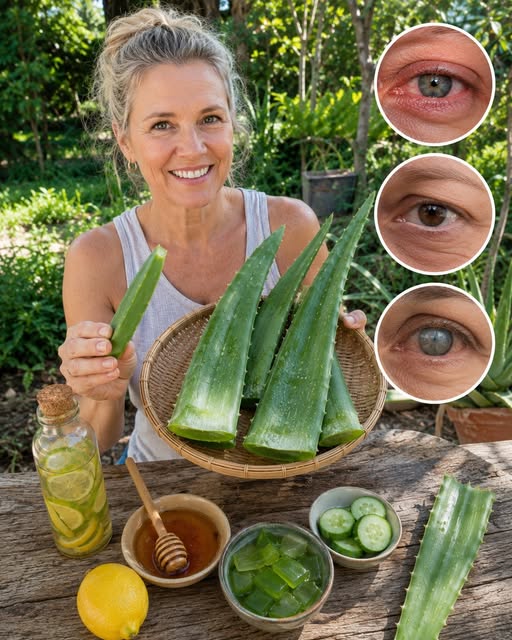
Why Aloe Vera Is Often Linked to Eye Care
Aloe vera has earned a reputation as one of the most popular natural wellness plants in the world.
For generations, people have used aloe vera for skin care, minor burns, and moisturizing purposes. Recently, social media posts have started promoting aloe vera as a remedy for various eye problems, including redness, dryness, irritation, blurry vision, and even age-related eye conditions.
While aloe vera contains beneficial plant compounds, many online claims go far beyond what scientific evidence currently supports.
Before placing anything near your eyes, it’s important to understand what aloe vera can and cannot do.
What Makes Aloe Vera Special?
Aloe vera leaves contain a clear gel rich in:
- Antioxidants
- Vitamins A, C, and E
- Amino acids
- Polysaccharides
- Plant enzymes
These compounds contribute to aloe vera’s popularity in skincare and wellness products.
Its cooling and moisturizing properties make it particularly attractive for people looking for natural solutions.
Understanding Eye Health
The eyes are among the most delicate organs in the body.
Common eye concerns include:
- Dry eyes
- Eye strain
- Redness
- Irritation
- Allergies
- Age-related vision changes
Because eye tissue is extremely sensitive, not every natural remedy that works on the skin is appropriate for direct use in or around the eyes.
The Role of Antioxidants in Eye Wellness
One reason aloe vera attracts attention is its antioxidant content.
Antioxidants help protect cells from oxidative stress caused by free radicals.
Many experts agree that a diet rich in antioxidant-containing foods may support long-term eye health.
Foods often recommended for eye wellness include:
- Leafy green vegetables
- Carrots
- Sweet potatoes
- Citrus fruits
- Berries
- Fish rich in omega-3 fatty acids
Aloe vera can be part of an overall healthy lifestyle, but it should not replace proven eye care practices.
Can Aloe Vera Improve Vision?
There is currently no strong evidence showing that aloe vera can restore eyesight, reverse cataracts, eliminate glaucoma, or permanently cure vision problems.
Claims suggesting dramatic vision restoration should be viewed cautiously.
Vision changes can result from numerous causes, many of which require professional evaluation and treatment.
Aloe Vera and Dry Skin Around the Eyes
One area where aloe vera may be helpful is moisturizing the skin surrounding the eyes.
The skin around the eyes is thinner than most other areas of the body.
Aloe vera gel is commonly used as a gentle moisturizer and may help:
- Hydrate the skin
- Improve comfort
- Reduce the appearance of dryness
- Leave skin feeling refreshed
However, care should always be taken to avoid getting aloe vera gel directly into the eyes.
Safe Ways to Include Aloe Vera in Your Wellness Routine
Many people enjoy aloe vera as part of their overall wellness habits.
Some common uses include:
Aloe Vera Smoothies
Food-grade aloe vera products are available for consumption.
Always follow product instructions carefully.
Skin Care Products
Many moisturizers and creams include aloe vera as an ingredient.
Hydration Support
Maintaining proper hydration helps support overall health, including eye comfort.
A Simple Aloe Vera Facial Gel
Ingredients
- 2 tablespoons pure aloe vera gel
- 1 teaspoon cucumber juice
Instructions
- Mix the ingredients together.
- Apply gently to clean skin around the eyes.
- Leave for 10 minutes.
- Rinse with cool water.
Avoid direct contact with the eyes.
This simple treatment may help refresh tired-looking skin.
Other Natural Ways to Support Healthy Eyes
Eat Colorful Fruits and Vegetables
Brightly colored produce often contains nutrients important for eye health.
Stay Hydrated
Dehydration can contribute to eye discomfort and dryness.
Take Screen Breaks
Extended screen time may increase eye strain.
Following the 20-20-20 rule can help:
Every 20 minutes, look at something 20 feet away for 20 seconds.
Wear Sunglasses
Protecting your eyes from excessive UV exposure is important for long-term eye health.
Get Regular Eye Exams
Routine eye exams help identify problems early.
Common Eye Symptoms That Should Not Be Ignored
Seek professional medical advice if you experience:
- Sudden vision changes
- Eye pain
- Persistent redness
- Flashes of light
- Significant blurriness
- Eye injuries
These symptoms require proper evaluation and should not be treated solely with home remedies.
Final Thoughts
Aloe vera is a fascinating plant with many traditional uses and some well-known skin-care benefits.
However, claims that it can cure eye diseases, restore lost vision, or reverse major eye conditions are not supported by reliable scientific evidence.
The best approach is to view aloe vera as a complementary wellness ingredient rather than a miracle solution.
Healthy eyes are best supported through balanced nutrition, hydration, regular eye exams, proper sun protection, and healthy lifestyle habits.
When it comes to your vision, informed choices are always more valuable than quick fixes. 🌿👁️✨