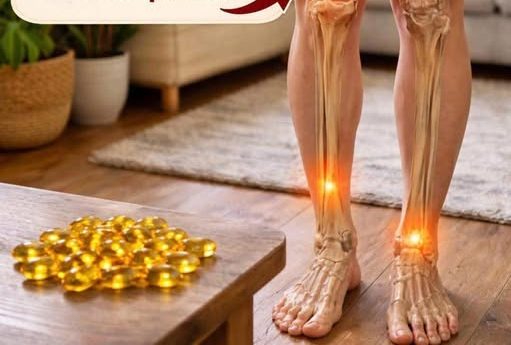
Have you ever seen a post online claiming that a single vitamin is responsible for all leg pain and bone aches? While the truth is more complicated, there is one nutrient that often gets attention when people talk about bone health: vitamin D.
Vitamin D plays an important role in helping the body absorb calcium, which is essential for strong bones and muscles. When vitamin D levels become too low, some people may experience symptoms such as muscle weakness, fatigue, or bone discomfort. However, leg pain and joint pain can have many different causes, and no single vitamin is responsible for every case.
Why Vitamin D Matters
Vitamin D helps the body:
- Absorb calcium efficiently
- Maintain strong bones and teeth
- Support muscle function
- Contribute to immune system health
Without enough vitamin D, the body may struggle to maintain normal bone strength over time.
Common Signs of Low Vitamin D
Some people with low vitamin D levels may notice:
- General fatigue
- Muscle weakness
- Bone tenderness
- Frequent illness
- Low mood
- Difficulty recovering after physical activity
These symptoms can also be caused by many other health conditions, which is why testing is often necessary before assuming a deficiency exists.
Where Does Vitamin D Come From?
The body can obtain vitamin D from several sources.
Sunlight
Sun exposure helps the skin produce vitamin D naturally.
A short period of safe sun exposure may help maintain healthy levels for many people.
Food Sources
Foods that contain vitamin D include:
- Fatty fish such as salmon and sardines
- Egg yolks
- Fortified milk
- Fortified cereals
- Some mushrooms
Including a variety of these foods in your diet may support healthy vitamin D intake.
Supplements
Vitamin D supplements are available, but it’s best to discuss supplementation with a healthcare professional, especially if you suspect a deficiency.
Other Causes of Leg and Bone Pain
Online posts often suggest that a single vitamin deficiency explains every ache and pain.
In reality, leg pain and bone discomfort can be linked to:
- Arthritis
- Muscle strain
- Poor circulation
- Nerve problems
- Injuries
- Mineral deficiencies
- Age-related changes
- Certain medications
That’s why persistent pain should always be evaluated properly rather than relying on social media remedies.
Simple Habits That Support Bone Health
Strong bones depend on more than just one vitamin.
Stay Active
Regular movement helps maintain bone strength and muscle function.
Walking, light resistance training, and stretching are great options for many adults.
Eat a Balanced Diet
Focus on foods rich in:
- Calcium
- Protein
- Magnesium
- Vitamin D
A balanced diet provides the building blocks your body needs.
Get Enough Sleep
Sleep plays a role in recovery and overall wellness.
Stay Hydrated
Proper hydration supports muscle and joint function.
A Simple Vitamin D-Friendly Breakfast Idea
If you’re looking for an easy meal that includes vitamin D-containing foods, try this:
Ingredients
- 2 eggs
- Whole-grain toast
- A serving of fortified milk
- Fresh fruit
Directions
- Cook the eggs however you prefer.
- Serve with toast and fruit.
- Enjoy with a glass of fortified milk.
It’s simple, satisfying, and provides several nutrients that support overall health.
Beware of Miracle Claims
Posts that promise instant relief from bone pain after taking one vitamin are usually oversimplifying a complex issue.
Healthy bones depend on:
- Good nutrition
- Regular activity
- Adequate vitamin D
- Enough calcium
- Proper medical care when needed
There is rarely a single magic solution.
Final Thoughts
Vitamin D is certainly important for bone and muscle health, and low levels can contribute to discomfort in some people. However, leg pain and bone aches are not always caused by a vitamin deficiency. If symptoms persist, it’s important to seek professional medical advice rather than relying solely on viral health posts.
Supporting your body with healthy habits, balanced nutrition, regular movement, and appropriate medical care is the most reliable path toward stronger bones and better overall wellness.