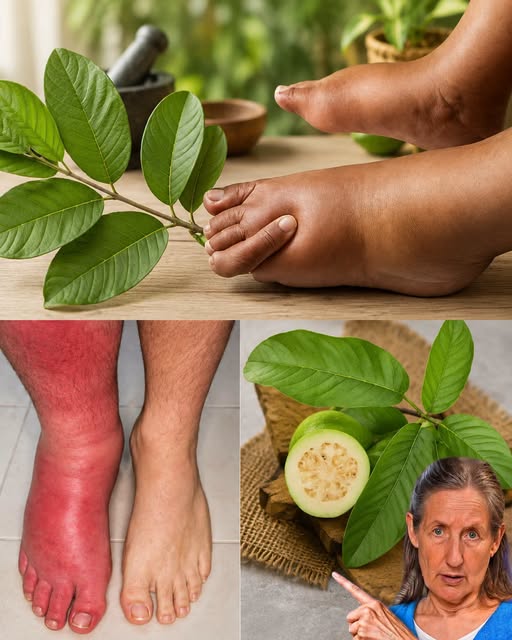
Swollen ankles can be uncomfortable and may happen for many different reasons. Sometimes mild swelling follows a long day of standing, sitting, travel, or warm weather. In other situations, ankle swelling can be related to an underlying health problem that needs proper evaluation.
Guava leaves are traditionally used in various cultures to prepare herbal teas. The leaves contain naturally occurring plant compounds, which has led to interest in their potential wellness properties. However, drinking guava leaf tea should not be viewed as a proven way to remove ankle swelling or treat the cause behind it.
If you enjoy guava leaf tea, it can be approached as a traditional beverage rather than a medical treatment.
What Is Guava Leaf Tea?
Guava leaf tea is made by steeping fresh or dried guava leaves in hot water. The resulting drink has a mild herbal flavor that can be enjoyed warm or cooled.
Guava leaves contain various plant compounds, including polyphenols and other naturally occurring substances. Their nutritional and chemical composition can vary depending on the plant, growing conditions, preparation method, and amount used.
Because the leaves are generally consumed as an infusion rather than as a large portion of food, the quantities of nutrients obtained from a cup can also vary.
Why Do Ankles Become Swollen?
Swelling around the ankles, sometimes called edema, occurs when excess fluid collects in the tissues.
There are many possible reasons, including:
- Sitting or standing for extended periods
- Long-distance travel
- Warm temperatures
- Minor injuries
- Certain medications
- Pregnancy
- Venous circulation problems
- Heart, kidney, or liver conditions
- Other medical causes
Because the causes are so varied, treating ankle swelling with one herbal tea without knowing why it is happening may not address the underlying issue.
Can Guava Leaf Tea Reduce Swollen Ankles?
There is not enough evidence to say that guava leaf tea reliably reduces ankle swelling or treats the medical conditions that can cause it.
A warm cup of herbal tea can certainly be part of a relaxing daily routine, but that is different from proving that the drink has a therapeutic effect on edema.
If swelling is persistent or repeatedly returns without an obvious explanation, identifying the cause is more important than relying on a home remedy.
How to Prepare Guava Leaf Tea
If you want to enjoy guava leaves as a traditional beverage, keep the preparation simple.
Ingredients
- 3–5 clean guava leaves, preferably young and undamaged
- 2 cups (480 ml) water
Directions
- Wash the leaves thoroughly under clean running water.
- Place the leaves in a small saucepan with the water.
- Bring the water to a gentle boil.
- Reduce the heat and simmer for approximately 5–10 minutes.
- Remove from the heat and allow the tea to cool slightly.
- Strain the leaves before drinking.
You can drink the tea warm or refrigerate it and serve it chilled.
Avoid adding large amounts of sugar if you’re trying to keep the beverage simple.
How to Approach Traditional Herbal Teas
Traditional herbal beverages can have an important place in food culture and daily routines. However, “natural” does not automatically mean that something is suitable for everyone or effective for a particular health problem.
When using an unfamiliar plant, consider:
- Whether the plant has been correctly identified
- Whether the leaves are clean and free from pesticides or contaminants
- How much is being consumed
- Whether you take medications
- Whether you have an existing health condition
- Whether the preparation has been studied adequately
A qualified healthcare professional or pharmacist can provide individualized guidance when medication interactions or health conditions are involved.
Gentle Habits That May Help With Occasional Mild Swelling
If ankle swelling happens after prolonged sitting or standing and you otherwise feel well, simple habits may sometimes improve comfort.
Move Regularly
Walking or gently moving your ankles can help avoid remaining in one position for too long.
During long periods of sitting, take regular movement breaks when possible.
Elevate Your Legs
When resting, raising your legs for a while may feel comfortable when mild swelling has developed after a long day.
Avoid Staying in One Position for Too Long
If your daily routine involves prolonged sitting or standing, changing positions regularly can be useful.
Wear Comfortable Clothing and Footwear
Tight clothing around the legs or uncomfortable footwear can make an already uncomfortable day less pleasant.
These general measures are not a substitute for medical evaluation when swelling has a concerning or persistent cause.
When Swollen Ankles Need Medical Attention
Not every swollen ankle is an emergency, but certain symptoms deserve prompt attention.
Seek medical care if swelling is:
- Sudden or severe
- Mainly affecting one leg without an obvious explanation
- Associated with significant pain
- Accompanied by redness or warmth
- Associated with shortness of breath or chest pain
- Persistent or getting progressively worse
- Accompanied by other unexplained symptoms
Sudden swelling together with breathing difficulty or chest pain can require urgent medical attention.
Common Mistakes to Avoid
Assuming Swelling Is Always Caused by Water Retention
Ankle swelling can have many causes. Assuming it is simply “extra water” may delay appropriate evaluation.
Drinking Large Amounts of Herbal Tea
More is not necessarily better. Concentrated or excessive use of herbal preparations may cause unwanted effects.
Replacing Prescribed Treatment
Do not stop or change prescribed medication because you have started drinking an herbal tea.
Using Unknown Leaves
Only use plant material that has been correctly identified and is suitable for culinary or herbal use. Avoid leaves collected from areas that may have been treated with pesticides or exposed to pollutants.
Frequently Asked Questions
Can I drink guava leaf tea every day?
There is no universally established amount that everyone should consume for wellness. If you plan to drink it regularly, particularly in concentrated amounts, consider discussing it with a healthcare professional.
Does guava leaf tea flush excess water from the body?
It should not be promoted as a guaranteed diuretic or treatment for fluid retention. Persistent swelling needs to be considered in the context of its possible underlying causes.
Can I use guava leaves instead of medication for swollen ankles?
No. Herbal tea should not replace prescribed medication or professional medical care.
Can I add lemon or honey?
Yes, if you enjoy the flavor. A small amount of lemon or honey can make the tea more pleasant. Remember that honey adds sugar.
Is ankle swelling always serious?
No. Mild swelling can occur for relatively ordinary reasons, such as spending a long time standing or sitting. However, swelling can also have medical causes, so persistent, severe, sudden, or unexplained swelling should be evaluated appropriately.
The Bottom Line
Guava leaf tea is a traditional herbal beverage that can be prepared simply by steeping or simmering clean leaves in water. Guava leaves contain naturally occurring plant compounds, but that does not establish the tea as a treatment for swollen ankles.
If your ankles occasionally feel puffy after a long day, gentle movement, changing positions, and resting with your legs elevated may help with comfort. But if swelling is persistent, sudden, painful, one-sided, or accompanied by symptoms such as shortness of breath or chest pain, professional medical attention is more important than trying a home remedy.
Health disclaimer: This article is for general educational purposes and is not medical advice. Guava leaf tea should not be used to diagnose, treat, cure, or replace medical treatment for swelling or an underlying health condition. If you have persistent, sudden, severe, or unexplained ankle swelling, or if it occurs with chest pain, breathing difficulty, significant pain, redness, or warmth, seek appropriate medical care promptly.