Este jabón casero es perfecto para quienes buscan una alternativa natural y aromática para su rutina de cuidado personal. La frescura del limón y la suavidad de la glicerina hacen de este jabón una opción maravillosa para la piel.
Ingredientes:
- 500 ml de agua
- 500 g de azúcar
- 70 ml de jugo de limón (aproximadamente el jugo de 2-3 limones)
- 500 ml de alcohol (puede ser alcohol etílico o alcohol isopropílico)
- 2 barras de 200 g de jabón de glicerina de limón (puedes usar jabón de glicerina regular y añadir esencia de limón si lo prefieres)
Materiales Necesarios:
- Rallador
- Cacerola grande
- Baño maría (bañera de agua caliente)
- Batidor o cuchara de madera
- Moldes de plástico o silicona
- Termómetro de cocina (opcional)
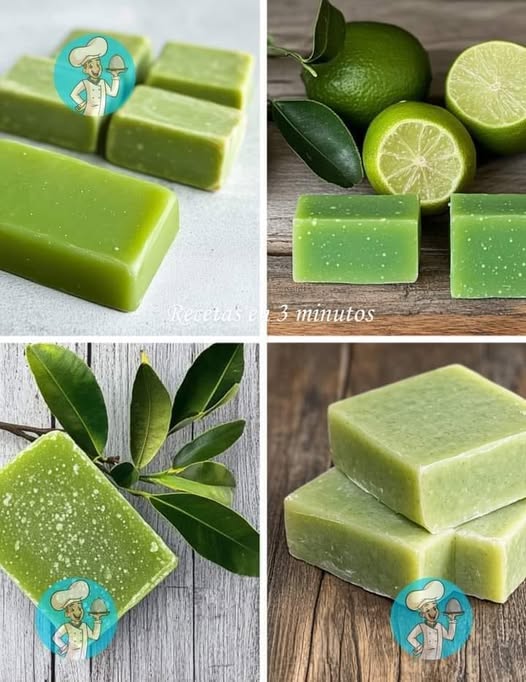
Preparación:
- Rallar el Jabón:
- Toma las barras de jabón de glicerina y rállalas finamente. Este paso asegura que el jabón se derrita de manera uniforme y rápida.
- Derretir el Jabón:
- Coloca el jabón rallado en una cacerola grande.
- Pon la cacerola a baño maría, es decir, sobre una olla con agua caliente, y derrite el jabón a fuego lento. Remueve constantemente para evitar que se queme o se pegue al fondo de la cacerola.
- Añadir los Ingredientes Líquidos:
- Una vez que el jabón esté completamente derretido, añade los 500 ml de agua lentamente mientras sigues removiendo. Esto ayuda a integrar bien el jabón con el agua.
- Añade los 70 ml de jugo de limón. El jugo de limón no solo agrega un aroma fresco sino que también tiene propiedades antibacterianas naturales.
- Agrega los 500 g de azúcar. La azúcar no solo actúa como un exfoliante suave en el jabón, sino que también ayuda a crear una textura más cremosa y rica.
- Cocinar la Mezcla:
- Deja que la mezcla hierva a fuego lento durante unos 2 minutos, removiendo ocasionalmente. Esto asegura que todos los ingredientes se mezclen bien y que la mezcla alcance una consistencia homogénea.
- Añadir el Alcohol:
- Apaga el fuego y permite que la mezcla se enfríe ligeramente antes de añadir el alcohol. Esto es importante para evitar que el alcohol se evapore rápidamente.
- Añade los 500 ml de alcohol lentamente, mezclando cuidadosamente para evitar la formación de burbujas. El alcohol ayuda a desinfectar y a conservar el jabón por más tiempo.
- Verter en Moldes:
- Transfiere la mezcla a moldes de plástico o silicona. Puedes usar moldes decorativos para darle formas divertidas a tu jabón.
- Asegúrate de verter la mezcla de manera uniforme para que los jabones tengan el mismo tamaño y forma.
- Dejar Secar:
- Deja que el jabón se seque y endurezca durante aproximadamente 6 horas. Es recomendable dejarlo en un lugar fresco y seco para que el proceso de secado sea más eficiente.
- Una vez que el jabón esté completamente seco y duro, desmóldalo y almacénalo en un lugar seco hasta su uso.
Consejos Adicionales:
- Esencia de Limón: Si usas jabón de glicerina regular, puedes añadir unas gotas de aceite esencial de limón para intensificar el aroma.
- Colorantes Naturales: Para dar un toque de color, puedes añadir unas gotas de colorante natural a la mezcla antes de verterla en los moldes.
- Usar Termómetro: Si tienes un termómetro de cocina, asegúrate de que la mezcla no supere los 60°C al añadir el alcohol, para evitar la evaporación rápida.
Disfruta de tu jabón casero de limón, perfecto para un aroma fresco y cítrico en tu rutina diaria. Esta receta no solo es fácil de hacer, sino que también ofrece un resultado natural y agradable para la piel.
Espero que disfrutes haciendo tu propio jabón de limón casero. Si tienes más preguntas o necesitas más recetas, ¡estoy aquí para ayudarte! 😊🍋🧼
Crear productos caseros puede ser una experiencia muy gratificante. ¡Disfruta de este proceso y de los maravillosos beneficios de tu jabón artesanal! 🍋✨
- Home Canned Potatoes
 A shelf full of home-canned potatoes is one of those pantry sights that makes dinner feel much easier before you have even decided what to cook. Open a jar and you already have tender potatoes ready for soups, breakfast skillets, casseroles, stews, mashed potatoes, or a quick side dish. Potatoes are a low-acid vegetable, so … Read more
 - Homemade Chunky Tomato Sauce
 A few jars of homemade tomato sauce can make an ordinary kitchen feel wonderfully prepared. The jars in the photo appear to contain a chunky tomato-based sauce, the kind that works beautifully with pasta, pizza, meatballs, casseroles, eggs, or even a warm piece of crusty bread when nobody feels like making a complicated dinner. This … Read more
 - Pressure Canned Sausage
 Homemade sausage in jars can be wonderfully convenient. Once safely preserved, it gives you ready-to-use meat for breakfast, casseroles, soups, pasta dishes, gravy, sandwiches, and those evenings when cooking from scratch feels slightly too ambitious. The important part is the method. Sausage is a low-acid meat, so shelf-stable jars require pressure canning with a tested … Read more
 - Guava Leaves and Swollen Ankles: A Gentle Look at This Traditional Herbal Tea
 Swollen ankles can be uncomfortable and may happen for many different reasons. Sometimes mild swelling follows a long day of standing, sitting, travel, or warm weather. In other situations, ankle swelling can be related to an underlying health problem that needs proper evaluation. Guava leaves are traditionally used in various cultures to prepare herbal teas. … Read more
 - What Happens to Your Body When You Eat a Banana Before Bed? A Science-Based Look at This Simple Nighttime Habit
 A banana before bed is a simple snack that has become popular among people looking for an easy evening food. Bananas are naturally sweet, convenient, and provide carbohydrates, fiber, potassium, vitamin B6, and other nutrients. But what actually happens when you eat one at night? For most healthy adults, eating a banana before bed is … Read more
 - Ginger for Digestion, Joint Comfort, and Circulation: A Gentle Daily Habit
 Ginger has been used in cooking and traditional food practices for centuries. Its warm, slightly spicy flavor makes it a popular addition to teas, soups, sauces, and everyday meals. Today, ginger is also often discussed as part of a healthy lifestyle, particularly when it comes to digestion, comfortable movement, and circulation. While ginger contains naturally … Read more
 - Can Two Ingredients Clear Cloudy Eyes in 7 Minutes? What to Know After 55
 Cloudy or hazy vision can be frustrating, particularly when it begins to interfere with reading, driving, or everyday activities. It is tempting to look for a simple food combination that can restore clear vision within minutes. However, there is an important distinction between supporting overall eye health and treating an eye condition. If cloudy vision … Read more
 - The Golden Trio: 18 Remarkable Benefits of Ginger, Cloves, and Honey for Everyday Wellness
 Ginger, cloves, and honey have been valued in kitchens and traditional food cultures for generations. Each ingredient has a distinctive flavor, and together they create a warm, aromatic combination that works well in teas, breakfast dishes, and simple homemade recipes. This trio also contains a variety of naturally occurring compounds and nutrients. However, it’s important … Read more
 - Garlic and Lime for Everyday Wellness: What This Simple Kitchen Pair Can—and Can’t—Do for Your Eyes
 Garlic and lime are two familiar kitchen ingredients that often appear in traditional wellness routines. Both are flavorful, affordable, and easy to add to everyday meals. Because garlic and lime contain various nutrients and plant compounds, it’s reasonable to wonder whether combining them has any special benefits for eye health. The important distinction is between … Read more