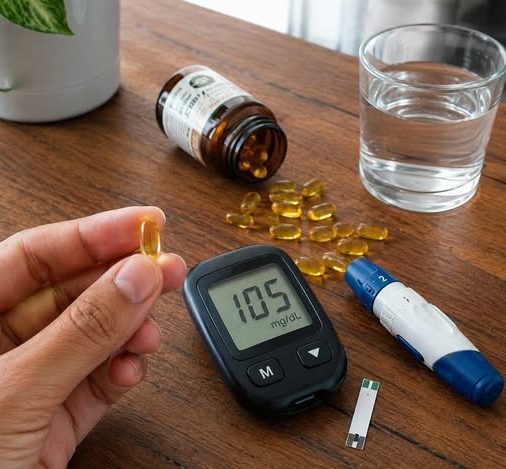
Social media is filled with bold claims about a “miracle vitamin” that can cure diabetes overnight. While certain vitamins and nutrients play important roles in overall health, no vitamin can cure diabetes on its own.
That doesn’t mean nutrition isn’t important. In fact, maintaining healthy blood sugar levels often depends on a combination of good nutrition, physical activity, medical care, and healthy lifestyle habits.
Let’s take a closer look at some vitamins that are commonly discussed in relation to blood sugar health and what science actually says about them.
Can a Vitamin Cure Diabetes?
The short answer is no.
Neither Type 1 nor Type 2 diabetes can be cured by taking a vitamin supplement.
Diabetes is a complex metabolic condition involving insulin production, insulin sensitivity, genetics, lifestyle factors, and overall health.
However, some vitamins may help support normal body functions and address nutritional deficiencies that are sometimes more common in people living with diabetes.
Why Vitamins Matter
Vitamins are essential nutrients that help the body perform countless functions every day.
They support:
- Energy production
- Immune function
- Nerve health
- Bone strength
- Heart health
- Metabolism
A balanced diet is usually the best source of vitamins, although some people may require supplements based on medical advice.
Vitamin D and Blood Sugar Health
Vitamin D is one of the most frequently studied nutrients in relation to diabetes.
Vitamin D helps the body:
- Maintain healthy bones
- Support immune function
- Assist normal insulin activity
Some studies have found that low vitamin D levels are common among people with Type 2 diabetes.
However, taking extra vitamin D does not cure diabetes.
If you suspect a deficiency, it’s best to speak with a healthcare professional before starting supplementation.
Vitamin B12 and Nerve Health
Vitamin B12 is especially important for:
- Healthy nerves
- Red blood cell production
- Brain function
People who take certain diabetes medications for long periods may be more likely to develop low B12 levels.
Symptoms of deficiency may include:
- Fatigue
- Tingling sensations
- Numbness
- Weakness
Maintaining adequate B12 levels can support overall health, but it does not eliminate diabetes.
Magnesium: An Important Mineral
Although technically a mineral rather than a vitamin, magnesium is often discussed alongside diabetes management.
Magnesium helps support:
- Muscle function
- Nerve function
- Blood pressure regulation
- Energy production
Foods rich in magnesium include:
- Spinach
- Pumpkin seeds
- Almonds
- Beans
- Whole grains
A healthy diet containing magnesium-rich foods can support overall wellness.
Chromium and Blood Sugar
Chromium is a trace mineral involved in insulin function.
Some research suggests chromium may influence how the body processes carbohydrates.
Foods containing chromium include:
- Broccoli
- Whole grains
- Potatoes
- Green beans
Despite the marketing hype surrounding chromium supplements, evidence remains mixed, and it should not be viewed as a diabetes cure.
Best Foods for Blood Sugar Support
Instead of focusing on a single miracle nutrient, many experts recommend building meals around nutrient-dense foods.
Non-Starchy Vegetables
Examples include:
- Spinach
- Broccoli
- Cucumber
- Lettuce
- Bell peppers
These foods provide vitamins, minerals, and fiber with relatively few calories.
Lean Proteins
Good choices include:
- Fish
- Chicken
- Turkey
- Eggs
- Beans
Protein can help promote fullness and support muscle maintenance.
Healthy Fats
Sources include:
- Avocados
- Olive oil
- Nuts
- Seeds
Healthy fats can be part of a balanced eating pattern.
High-Fiber Foods
Fiber helps slow digestion and may support steadier blood sugar responses.
Examples include:
- Oats
- Lentils
- Beans
- Chia seeds
- Flax seeds
Hydration Matters Too
Staying hydrated is often overlooked.
Water supports:
- Digestion
- Circulation
- Kidney function
- Overall health
Many people benefit from choosing water over sugary beverages whenever possible.
Lifestyle Habits That Make a Difference
No supplement can replace healthy daily habits.
Regular Physical Activity
Exercise helps the body use glucose more effectively.
Activities can include:
- Walking
- Swimming
- Cycling
- Strength training
Quality Sleep
Poor sleep may affect blood sugar regulation and energy levels.
Aim for consistent sleep whenever possible.
Stress Management
Chronic stress can influence blood sugar levels.
Helpful strategies may include:
- Meditation
- Deep breathing
- Spending time outdoors
- Hobbies and relaxation activities
Beware of “Miracle Cure” Claims
Many online advertisements use phrases such as:
- “Cures diabetes instantly”
- “Doctors hate this vitamin”
- “Reverses diabetes overnight”
- “One pill fixes everything”
These claims are often exaggerated and unsupported by reliable scientific evidence.
If a claim sounds too good to be true, it probably is.
When to Talk to Your Doctor
You should consult a healthcare professional if:
- You have concerns about blood sugar levels.
- You suspect a vitamin deficiency.
- You want to start a new supplement.
- You experience symptoms such as excessive thirst, fatigue, unexplained weight changes, or numbness.
Professional medical guidance is especially important for managing diabetes safely.
Final Thoughts
There is no miracle vitamin that cures diabetes. However, vitamins and minerals play essential roles in supporting overall health, energy levels, nerve function, and metabolism.
The most effective approach remains a combination of balanced nutrition, regular physical activity, quality sleep, stress management, and proper medical care.
Instead of chasing miracle cures, focus on building healthy habits that support long-term wellness. Small, consistent changes often have a much bigger impact than any single supplement ever could.