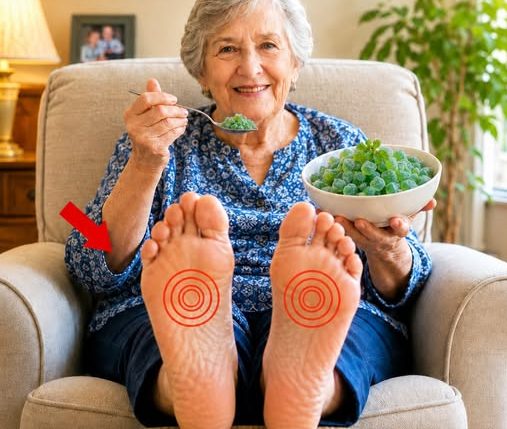
Social media is full of dramatic health warnings claiming that “death begins in the legs” and suggesting that one special food can suddenly restore strength, circulation, and mobility. While these posts are often exaggerated, they do highlight an important truth: maintaining healthy legs and staying physically active becomes increasingly important as we age.
Strong muscles, healthy circulation, and good balance all contribute to independence, mobility, and overall quality of life. The good news is that supporting leg health does not require miracle foods or expensive supplements. Instead, it comes down to consistent habits, proper nutrition, and regular movement.
Let’s explore why leg health matters and which foods and lifestyle choices can help support healthy aging.
Why Leg Health Is Important
The legs contain some of the largest muscles in the body.
These muscles help us:
- Walk
- Stand
- Climb stairs
- Maintain balance
- Stay independent
As people age, natural muscle loss begins to occur. This process, known as sarcopenia, can gradually reduce strength and mobility if not addressed through healthy habits.
Maintaining leg strength helps older adults remain active, reduce fall risk, and continue enjoying daily activities.
The Connection Between Circulation and Leg Health
Healthy circulation is essential for every part of the body.
Blood delivers oxygen and nutrients to muscles, nerves, and tissues while helping remove waste products.
Poor circulation may contribute to:
- Cold feet
- Leg fatigue
- Swelling
- Cramping
- Slow healing
While circulation naturally changes with age, healthy lifestyle choices can support cardiovascular wellness and blood flow.
Common Causes of Leg Discomfort
Many factors can contribute to leg pain or weakness.
These include:
Physical Inactivity
Long periods of sitting can reduce muscle strength and flexibility.
Aging
Muscle mass naturally declines over time.
Poor Nutrition
Insufficient protein and certain nutrients may affect muscle health.
Dehydration
Lack of fluids can contribute to muscle cramps and fatigue.
Medical Conditions
Conditions such as arthritis, diabetes, nerve disorders, and vascular disease can affect the legs.
Persistent symptoms should always be discussed with a healthcare professional.
Nutrients That Support Healthy Muscles
Rather than focusing on a single “miracle food,” experts recommend a balanced diet rich in several important nutrients.
Protein
Protein is essential for maintaining muscle mass.
Good sources include:
- Eggs
- Fish
- Chicken
- Turkey
- Greek yogurt
- Beans
- Lentils
Adequate protein becomes increasingly important with age.
Potassium
Potassium supports muscle function and fluid balance.
Foods rich in potassium include:
- Bananas
- Potatoes
- Sweet potatoes
- Beans
- Avocados
Magnesium
Magnesium helps support muscle contraction and relaxation.
Good sources include:
- Nuts
- Seeds
- Whole grains
- Dark leafy greens
Vitamin D
Vitamin D contributes to muscle and bone health.
Sources include:
- Sunlight exposure
- Fatty fish
- Fortified dairy products
- Egg yolks
Calcium
Calcium helps maintain strong bones that support mobility.
Foods rich in calcium include:
- Milk
- Yogurt
- Cheese
- Fortified plant beverages
- Leafy greens
Green Foods and Healthy Aging
Many viral posts feature green vegetables or green-colored foods as “secret” remedies.
While no food can stop aging, green vegetables provide valuable nutrients that support overall health.
Examples include:
- Spinach
- Broccoli
- Kale
- Green beans
- Peas
- Brussels sprouts
These foods contain vitamins, minerals, antioxidants, and fiber that contribute to wellness.
The Importance of Staying Active
Exercise may be one of the most effective ways to support leg health.
Regular movement helps:
- Preserve muscle mass
- Improve balance
- Support circulation
- Maintain flexibility
- Reduce stiffness
Simple activities can make a difference.
Walking
Walking remains one of the best forms of exercise for many older adults.
Chair Exercises
Seated exercises can help improve strength and mobility.
Strength Training
Light resistance exercises help maintain muscle mass.
Stretching
Gentle stretching supports flexibility and comfort.
A Simple Nutrient-Rich Green Snack
One easy way to enjoy nutritious green foods is with a simple pea and herb salad.
Ingredients
- 1 cup green peas
- Fresh parsley
- Lemon juice
- Olive oil
- Black pepper
Directions
- Combine the peas and parsley.
- Drizzle with olive oil.
- Add lemon juice and pepper.
- Toss and serve.
This simple dish provides fiber, vitamins, and plant nutrients.
Hydration Matters Too
Many people underestimate the importance of hydration.
Water helps:
- Support circulation
- Maintain energy levels
- Promote muscle function
- Reduce the risk of dehydration-related fatigue
Older adults may be more vulnerable to dehydration, making regular fluid intake especially important.
Signs You Should Talk to a Healthcare Professional
Seek medical advice if you experience:
- Persistent leg pain
- Sudden swelling
- Numbness
- Weakness
- Difficulty walking
- Changes in skin color
- Non-healing wounds
These symptoms may indicate underlying conditions that require professional evaluation.
Healthy Habits for Stronger Legs
Here are several practical habits that support leg health:
Eat Balanced Meals
Focus on vegetables, fruits, protein, healthy fats, and whole grains.
Move Every Day
Even short walks can help maintain mobility.
Stay Hydrated
Drink water regularly throughout the day.
Prioritize Sleep
Recovery and muscle maintenance occur during sleep.
Maintain a Healthy Weight
A healthy body weight reduces stress on joints and muscles.
The Truth About “Miracle Foods”
Many online posts suggest that one specific food can completely prevent aging, restore circulation, or eliminate leg problems.
The reality is much simpler.
No single food can guarantee perfect health.
Instead, long-term wellness comes from a combination of:
- Nutritious eating
- Physical activity
- Adequate sleep
- Stress management
- Regular healthcare
These habits work together to support healthy aging far more effectively than any viral remedy.
Final Thoughts
The phrase “death begins in the legs” may sound dramatic, but it highlights an important idea: maintaining strength, mobility, and circulation is essential as we age.
Rather than searching for miracle foods, focus on building healthy daily habits. A balanced diet rich in protein, vegetables, fruits, and essential nutrients can help support muscle health. Combined with regular exercise, proper hydration, and routine medical care, these habits can contribute to greater independence and quality of life for years to come.
The real secret to healthy aging is not hidden in a single bowl of food. It is found in the small choices we make every day to keep our bodies moving, nourished, and strong.