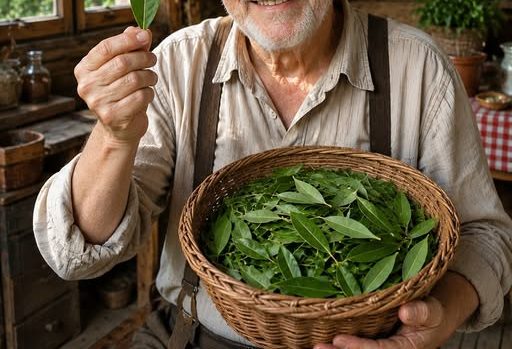
Social media is filled with dramatic claims about natural remedies. One of the most common is the idea that a single leaf can fight cancer in just 24 hours. These posts often feature smiling seniors, homemade remedies, and promises that sound too good to be true.
The truth is simple: no leaf, herb, tea, or home remedy can cure cancer in 24 hours. Cancer is a complex disease that requires proper medical diagnosis and treatment. While certain herbs and plants contain beneficial compounds that support overall health, they should never be viewed as replacements for evidence-based medical care.
One leaf that frequently appears in these viral posts is the bay leaf. Bay leaves have been used for centuries in cooking and traditional wellness practices, but their real benefits are very different from the exaggerated claims often shared online.
Let’s explore what bay leaves actually are, what nutrients they contain, and how they may fit into a healthy lifestyle.
What Are Bay Leaves?
Bay leaves come from the bay laurel tree and are commonly used as a culinary herb.
They are often added to:
- Soups
- Stews
- Sauces
- Rice dishes
- Slow-cooked meals
Their primary purpose is to add flavor and aroma rather than serve as medicine.
For generations, bay leaves have been valued in kitchens around the world because of their unique fragrance and subtle herbal taste.
Why Bay Leaves Became Popular Online
Natural remedies attract attention because people are often looking for simple solutions to complicated health problems.
Posts about bay leaves frequently claim they can:
- Cure cancer
- Remove toxins
- Reverse aging
- Eliminate inflammation instantly
- Replace medications
These claims are generally unsupported by scientific evidence.
While bay leaves contain beneficial plant compounds, they should not be confused with medical treatments.
Nutritional Components of Bay Leaves
Although usually consumed in small amounts, bay leaves contain several naturally occurring compounds.
These include:
Antioxidants
Bay leaves contain plant compounds that help protect cells from oxidative stress.
Antioxidants are found in many fruits, vegetables, herbs, and spices.
Essential Oils
The aromatic scent of bay leaves comes from naturally occurring essential oils.
These oils contribute to their distinctive flavor.
Vitamins and Minerals
Bay leaves contain small amounts of nutrients such as:
- Vitamin A
- Vitamin C
- Calcium
- Iron
- Potassium
However, because bay leaves are typically used in small quantities, they are not a major source of these nutrients.
Can Bay Leaves Cure Cancer?
No.
There is currently no scientific evidence showing that bay leaves can cure cancer.
Cancer treatment often involves:
- Surgery
- Chemotherapy
- Radiation therapy
- Immunotherapy
- Targeted therapies
The appropriate treatment depends on the type and stage of cancer.
While researchers continue studying natural plant compounds for potential health benefits, no herb or leaf should be promoted as a cure.
Potential Health Benefits of Bay Leaves
Although they cannot cure serious diseases, bay leaves may offer some wellness benefits.
Adds Flavor Without Extra Salt
Many people use herbs and spices to reduce the amount of sodium in meals.
Bay leaves can add flavor naturally.
Contains Beneficial Plant Compounds
Like many herbs, bay leaves contain natural compounds that contribute to overall dietary variety.
Supports a Balanced Diet
Using herbs and spices can make healthy meals more enjoyable and flavorful.
Bay Leaf Tea: A Popular Home Remedy
Bay leaf tea is one of the most common ways people consume bay leaves outside of cooking.
Simple Bay Leaf Tea Recipe
Ingredients
- 2 to 3 dried bay leaves
- 2 cups water
- Optional lemon slice
- Optional honey
Directions
- Bring water to a boil.
- Add bay leaves.
- Simmer for 5 to 10 minutes.
- Remove from heat.
- Strain before drinking.
- Add lemon or honey if desired.
Many people enjoy this tea for its warm and comforting flavor.
Other Foods Rich in Antioxidants
If your goal is overall wellness, there are many nutrient-rich foods worth including in your diet.
Berries
Examples include:
- Blueberries
- Strawberries
- Blackberries
Leafy Greens
Such as:
- Spinach
- Kale
- Arugula
Colorful Vegetables
Including:
- Bell peppers
- Carrots
- Tomatoes
Nuts and Seeds
Examples include:
- Walnuts
- Almonds
- Flax seeds
- Chia seeds
A varied diet provides far more nutritional benefits than relying on any single ingredient.
Habits That Truly Support Long-Term Health
Rather than searching for miracle cures, focus on healthy daily habits.
Eat a Balanced Diet
Fill your plate with:
- Fruits
- Vegetables
- Whole grains
- Lean proteins
- Healthy fats
Stay Active
Regular exercise supports:
- Heart health
- Mobility
- Weight management
- Energy levels
Get Enough Sleep
Sleep plays a critical role in recovery and overall wellness.
Manage Stress
Chronic stress can affect physical and mental health.
Helpful strategies include:
- Walking
- Meditation
- Reading
- Spending time outdoors
Avoid Tobacco
Avoiding smoking remains one of the most important steps for protecting long-term health.
Warning Signs of Misleading Health Claims
Be cautious whenever you see phrases such as:
- “Cures cancer in 24 hours”
- “Doctors don’t want you to know this”
- “One ingredient fixes everything”
- “Miracle remedy”
- “Works instantly”
Health is rarely that simple.
Reliable information usually focuses on realistic expectations rather than dramatic promises.
When to Consult a Healthcare Professional
If you are dealing with a serious health condition, including cancer, always seek guidance from qualified healthcare professionals.
Natural foods and herbs may complement a healthy lifestyle, but they should never replace proper medical care.
Early diagnosis and treatment can make a significant difference in health outcomes.
Final Thoughts
Bay leaves are a flavorful culinary herb that can add aroma and depth to many dishes. They contain antioxidants and beneficial plant compounds, but they are not a cure for cancer or any other serious disease.
The best approach to health is not chasing miracle remedies. Instead, focus on balanced nutrition, regular exercise, adequate sleep, stress management, and appropriate medical care when needed.
Bay leaves deserve a place in the kitchen for their flavor and tradition—not because of unrealistic promises found in viral social media posts.